Modulox Drive
Modulox Drive
Modulox Drive
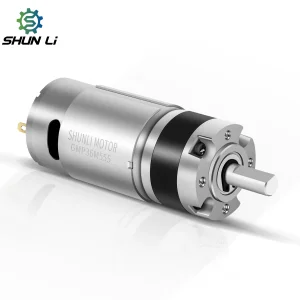
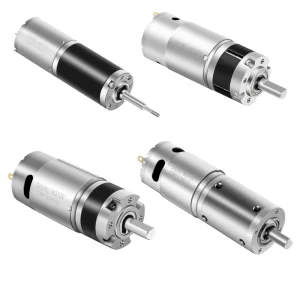
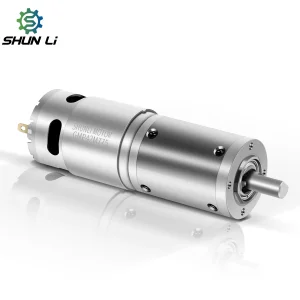
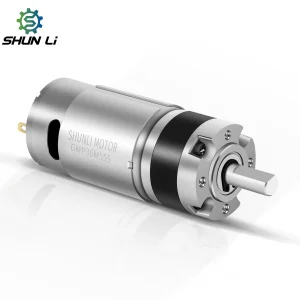
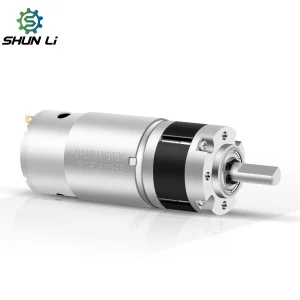
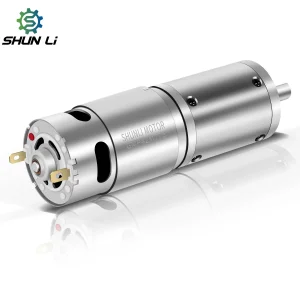
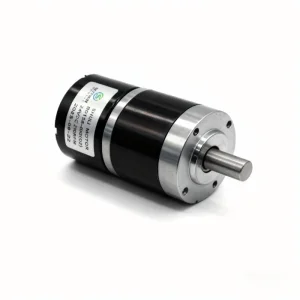
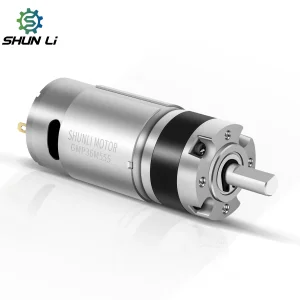
In the modern era of Industry 4.0, the demand for Planetary Gear Motors has transitioned from basic mechanical reduction to sophisticated precision motion control. As a premier planetary gear motor manufacturer, we recognize that "torque density" and "compact integration" are the two primary drivers of innovation. Globally, the market is projected to grow at a CAGR of 6.5% through 2030, fueled by the rapid expansion of collaborative robots (cobots), medical surgical tools, and smart automotive systems.
Transition towards BLDC (Brushless DC) integration for longer lifespans and higher efficiency in remote industrial sensors and automated logistics.
The push for motors smaller than 10mm for minimally invasive medical devices and aerospace micro-actuators without sacrificing output torque.
Integration of magnetic and optical encoders directly into the planetary housing for real-time feedback and IoT connectivity.
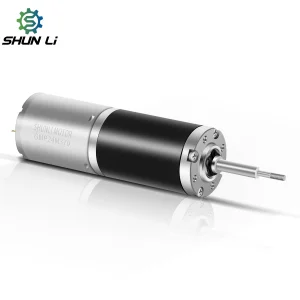
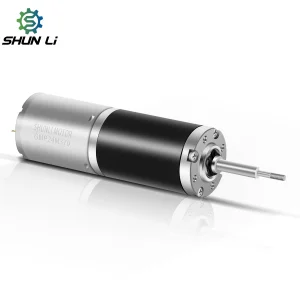
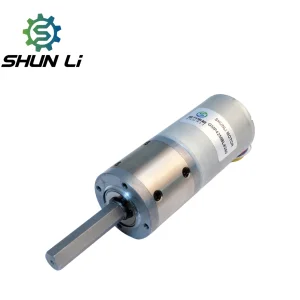
Inside a premium robotic joint, an automated medical valve, or a high-end smart lock, space is the ultimate luxury. At Modulox Drive, we measure our manufacturing success in micrometers and decibels. Our mission is to take advanced, heavy-duty rotational power and compress it into the most compact, energy-efficient footprints imaginable.
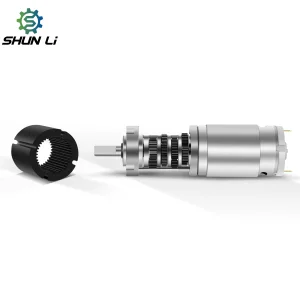
Our expertise lies in the micro-details of motion control. From precision-wound copper rotors and high-purity commutators to zero-backlash planetary gear trains, every single internal component of a Modulox Drive motor is optimized to eliminate friction and maximize heat dissipation. By combining advanced automated Swiss-style hobbing with Japanese dynamic balancing, we ensure our micro drives deliver the fluid, whispering-quiet power your brand promises.
The efficiency of a China-based planetary gear motor supplier is no longer just about cost—it's about supply chain agility and technological depth. Modulox Drive operates at the nexus of high-speed production and extreme precision.
From raw material processing to final noise testing, we control the entire lifecycle. This eliminates the "markup" of sub-contractors and ensures consistent E-E-A-T quality standards.
Our dedicated R&D lab can turn a custom gearbox design into a functional sample within 7-14 days, significantly reducing your time-to-market.
To maintain our position as a leading planetary gear motor supplier, we invest heavily in high-end machinery from Switzerland, Japan, and Germany.

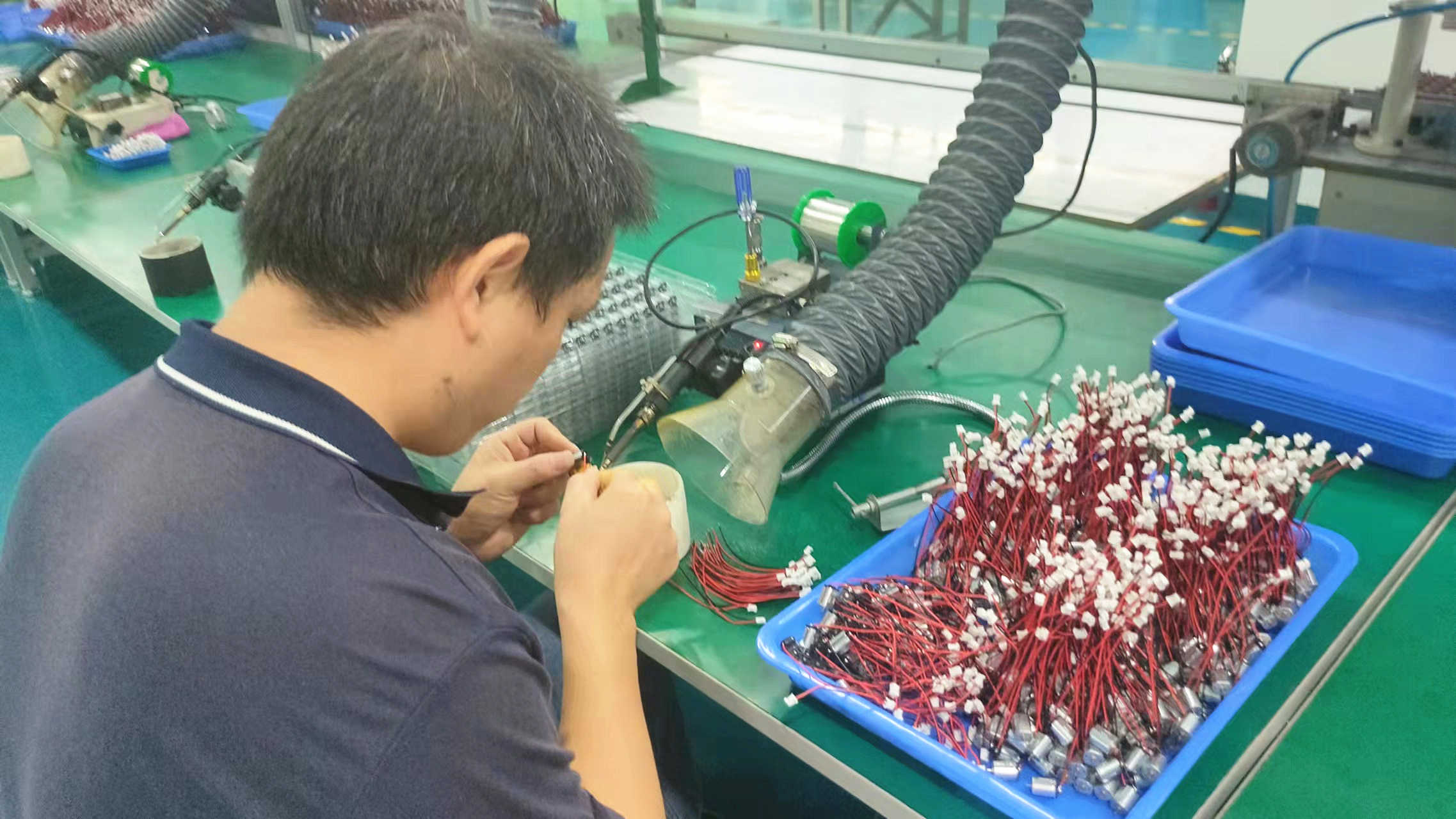
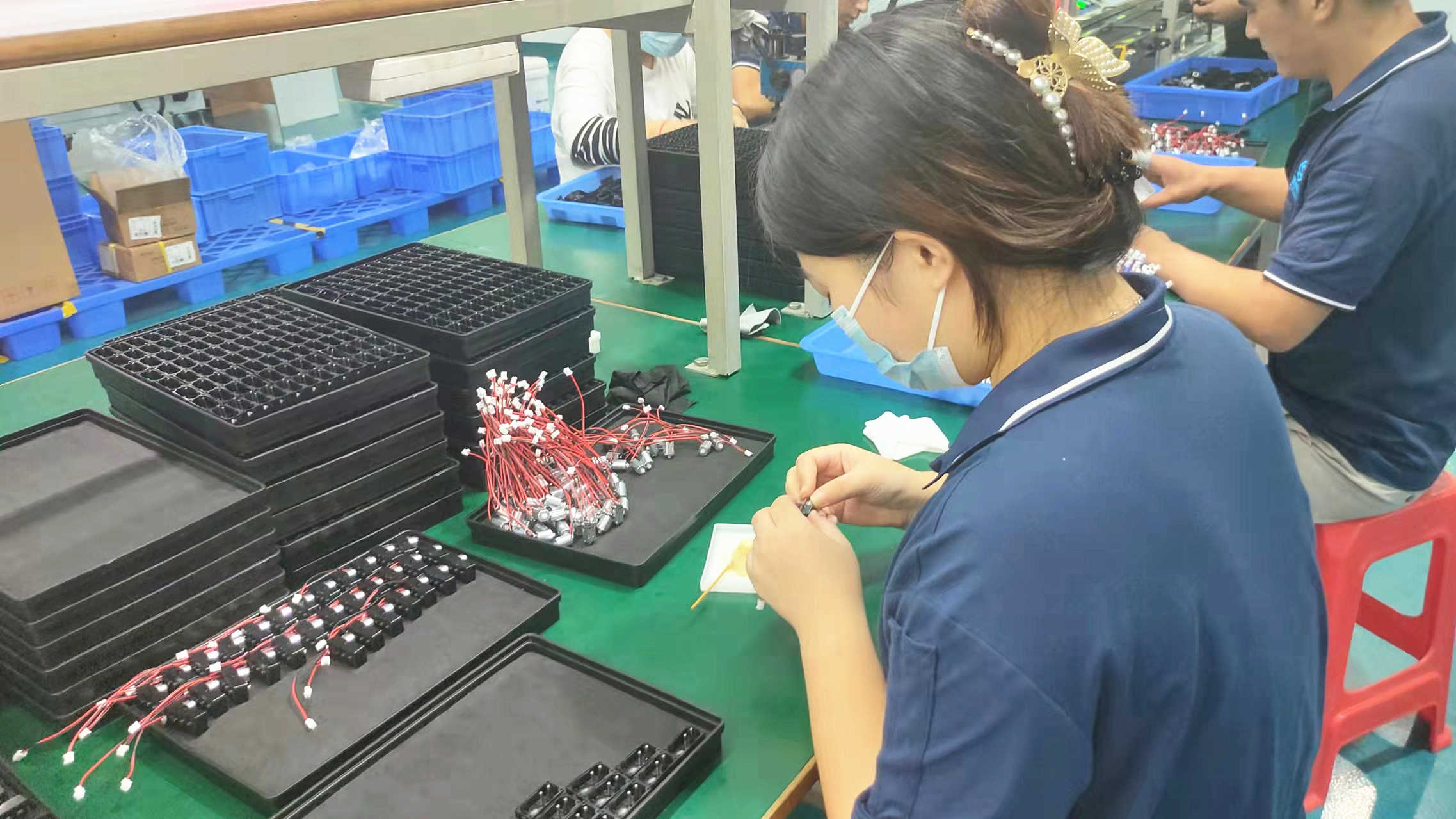
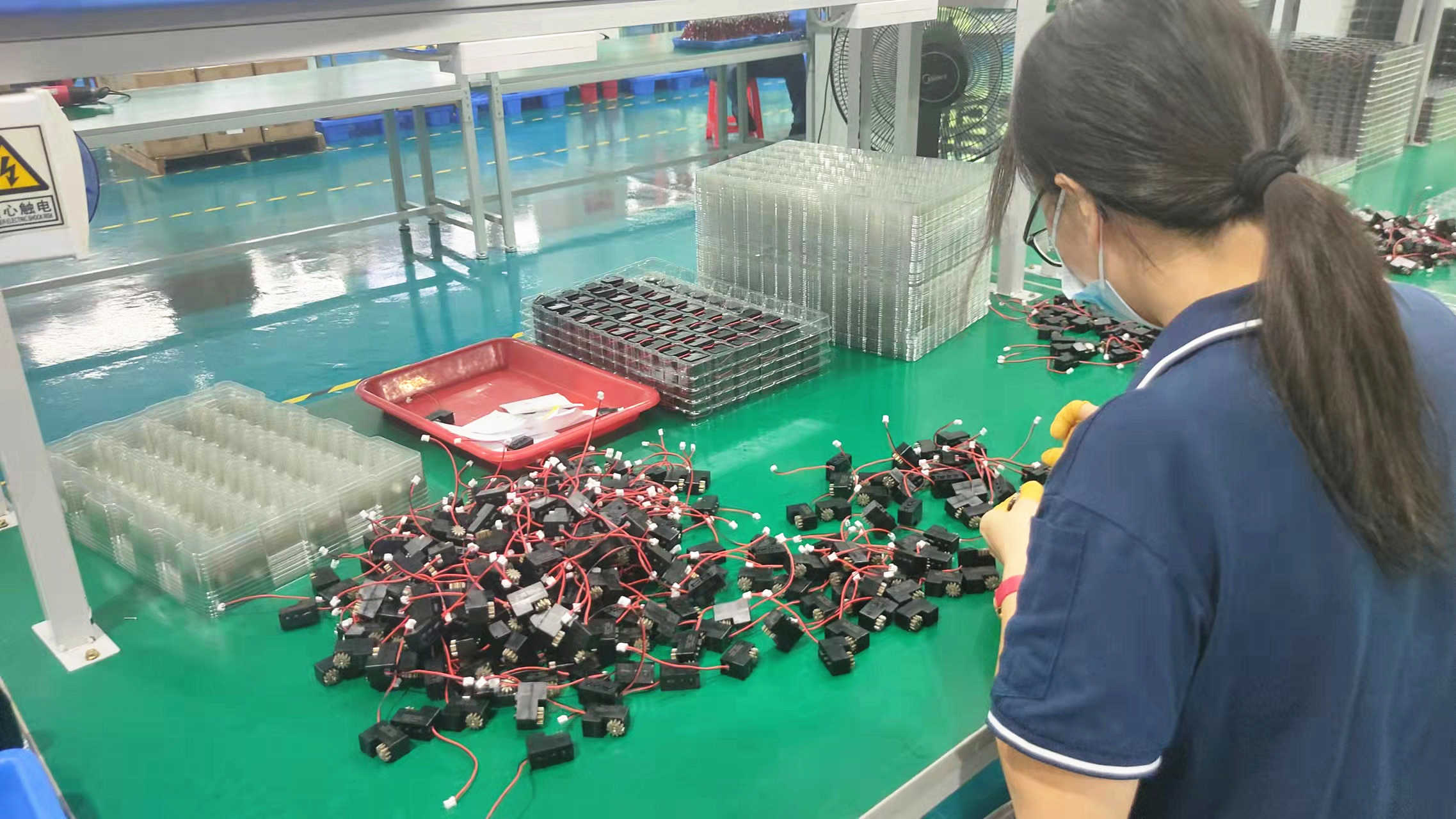
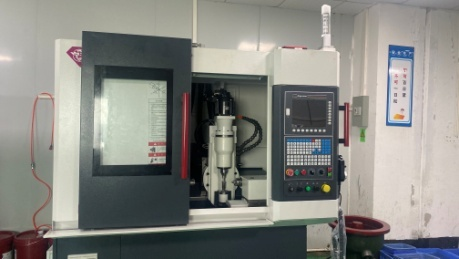
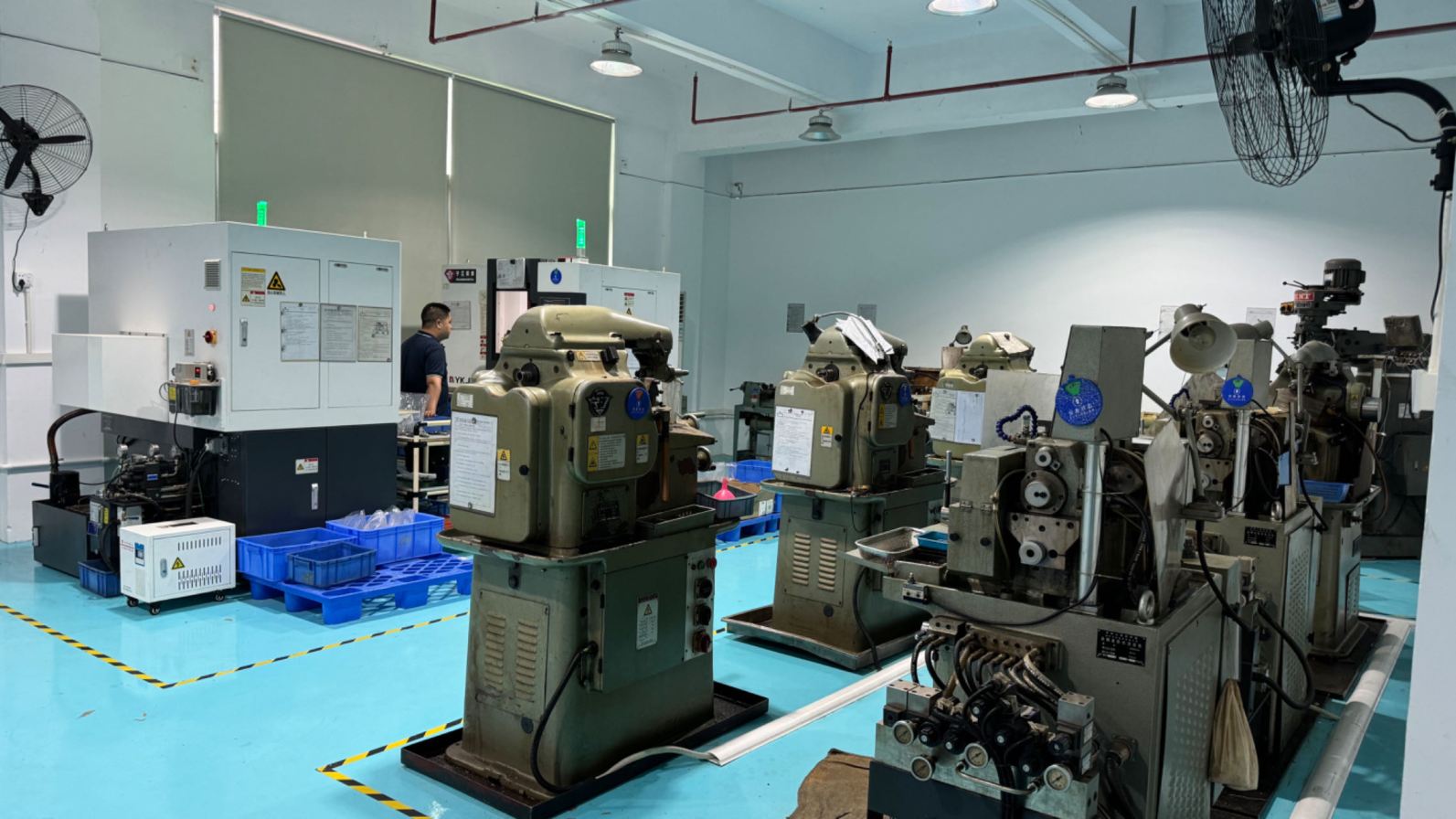
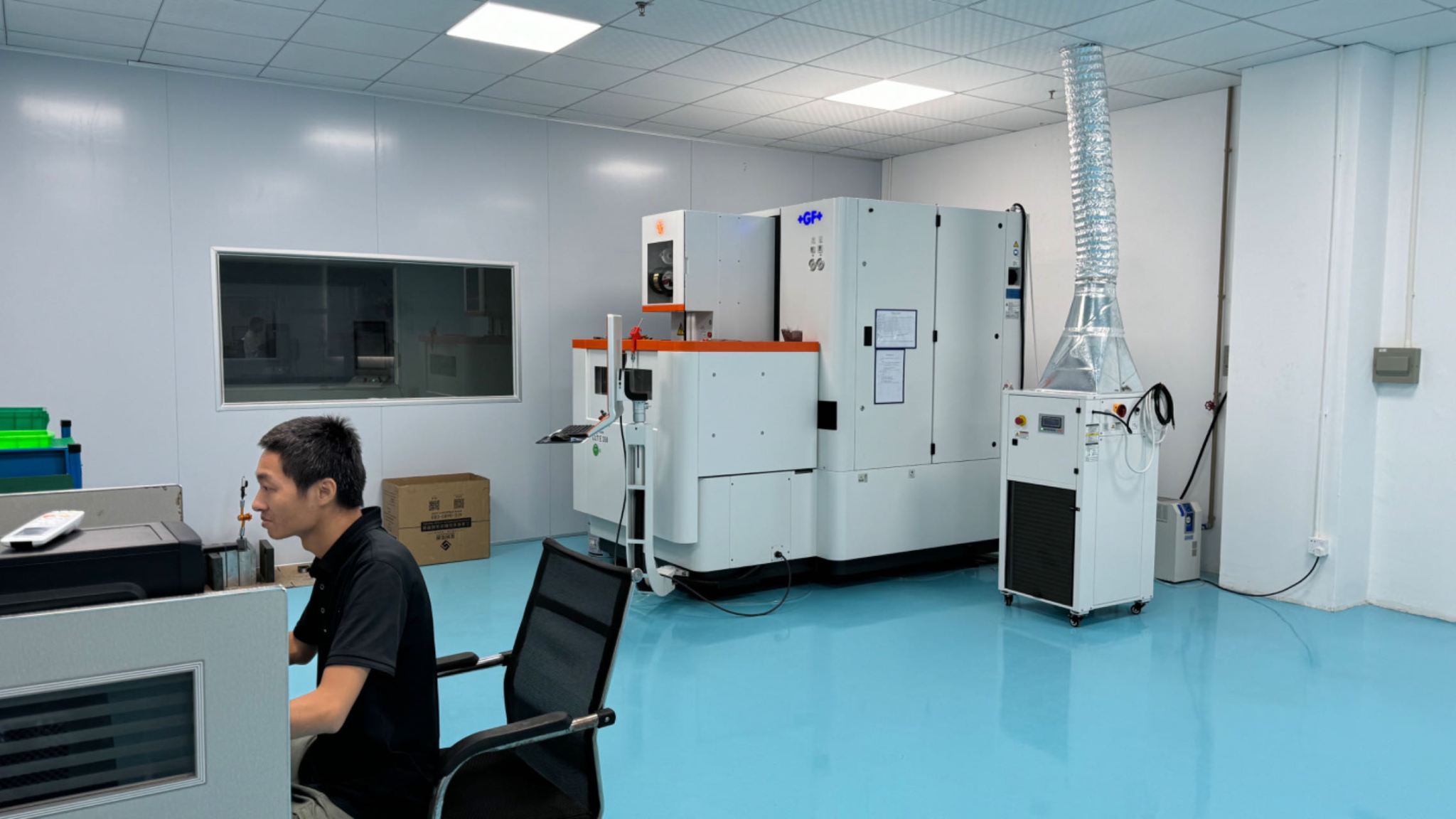
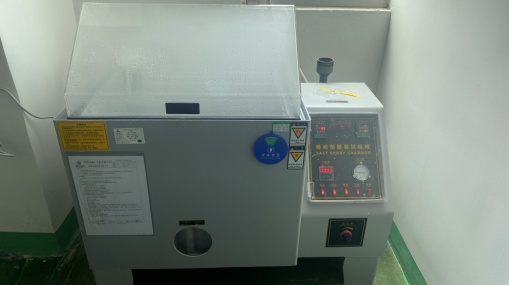
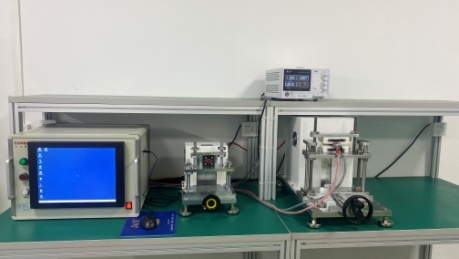
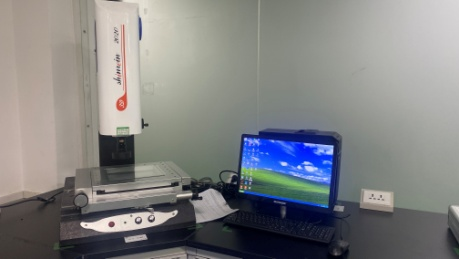
Planetary gear motors are the heartbeat of complex systems. Here is how our technology is applied across various high-stakes industries:
Providing the high torque and smooth motion required for joint movement in humanoid robots and precision pick-and-place automated arms.
Utilized in electronic parking brakes (EPB), active grille shutters, and EV charging station locking mechanisms for durability in harsh environments.
Powering infusion pumps, dental tools, and laboratory analysis equipment where silence and zero-vibration are critical for patient safety.
Enabling the next generation of silent smart locks, motorized curtains, and 4K PTZ security cameras with precise positioning.
When selecting a planetary gear motor supplier, global procurement managers must look beyond unit price. Information gain from our audit reports shows that Total Cost of Ownership (TCO) is heavily influenced by motor reliability.
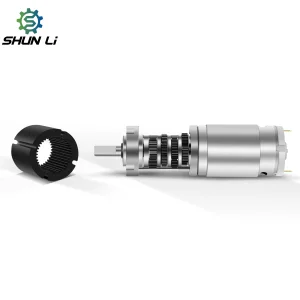
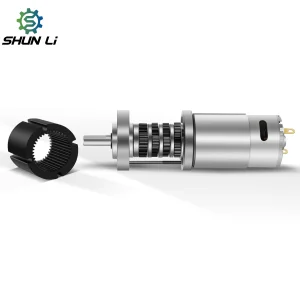
Planetary gears distribute the load across multiple "planet" gears, allowing for much higher torque density in a smaller footprint compared to spur gears, which only use a single point of contact. This leads to higher efficiency and better load distribution.
Yes, most of our planetary gear motors, especially the high-torque DC and BLDC models, can be integrated with Hall-effect or optical encoders for precise position and speed control.
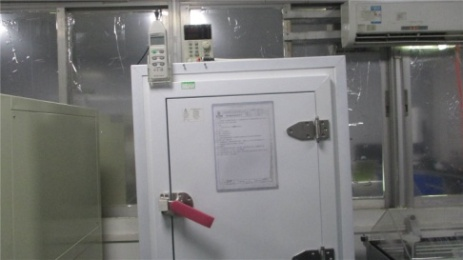
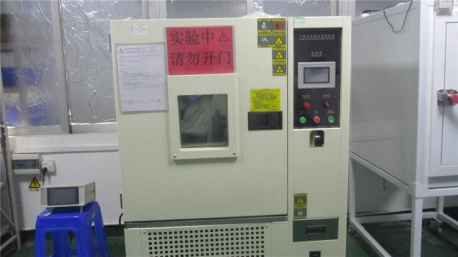
We use a combination of high-precision gear hobbing, specialized lubricant greases, and dynamic balancing of the motor rotor. Our "Noise Testing Chambers" ensure every unit meets the decibel requirements of high-end medical or home automation equipment.
Standard modifications take 2-3 weeks, while completely new custom gearbox developments typically take 6-8 weeks, depending on the complexity of the mold and gear design.