Modulox Drive
Modulox Drive
Modulox Drive
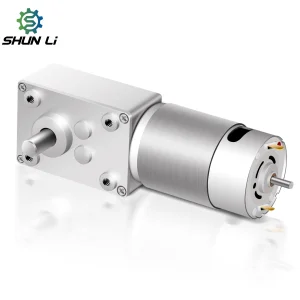
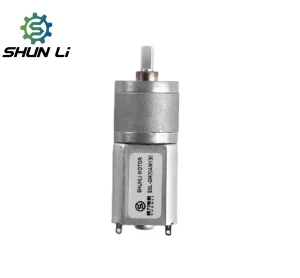
Inside a premium robotic joint, an automated medical valve, or a high-end smart lock, space is the ultimate luxury. At Modulox Drive, we measure our manufacturing success in micrometers and decibels. Our mission is to take advanced, heavy-duty rotational power and compress it into the most compact, energy-efficient footprints imaginable.
Our expertise lies in the micro-details of motion control. From precision-wound copper rotors and high-purity commutators to zero-backlash planetary gear trains, every single internal component of a Modulox Drive motor is optimized to eliminate friction and maximize heat dissipation. By combining advanced automated Swiss-style hobbing with Japanese dynamic balancing, we ensure our micro drives deliver the fluid, whispering-quiet power your brand promises. When your next high-tech innovation relies on repeated mechanical perfection, let Modulox Drive be the core that spins it forward.
Information Gain Insight: The performance barrier of miniature motors is dictated by structural heat dissipation limits and electromagnetic saturation. Standard micro motors lose up to 40% of input energy to mechanical heat and copper winding resistance. Modulox Drive solves this by using Class H insulated wire (rated up to 180°C) and advanced slot-fill optimization, boosting mechanical efficiency by 15% to 22% compared to generic alternatives.
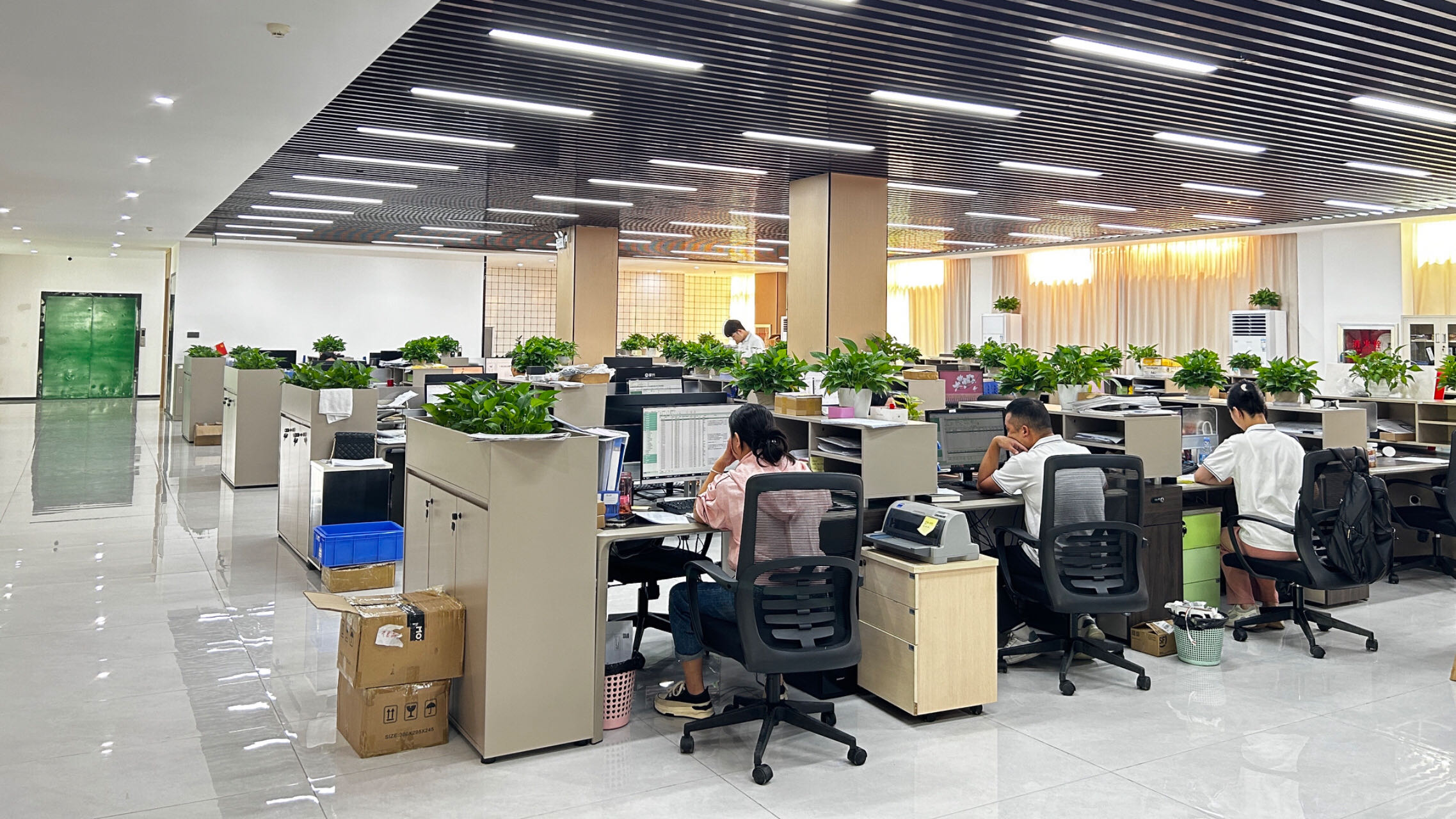
The manufacturing ecosystem in China has evolved beyond cost-efficiency to become the world's most advanced center for micro-motor design and production. Our factory integrates the complete raw materials supply chain with cutting-edge tooling to ensure unbeatable performance, scalability, and engineering flexibility.
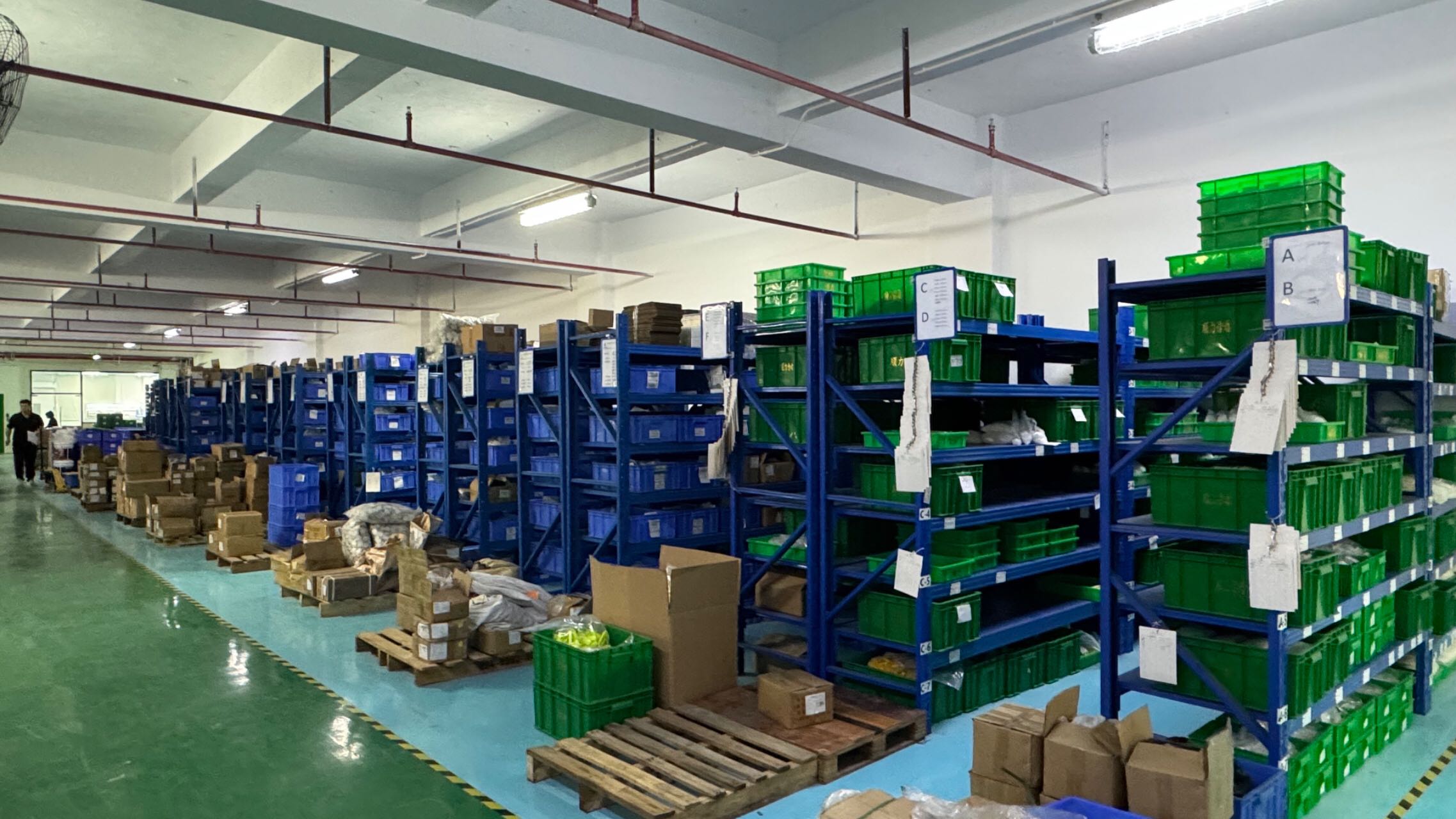
1. Complete Raw Material Traceability: Situated at the heart of the global electronics component supply chain, we procure rare-earth permanent magnets (NdFeB), high-purity copper, and high-strength alloyed steels at optimized prices. Every batch of material goes through spectrographic testing to confirm chemical purity and magnetic flux densities.
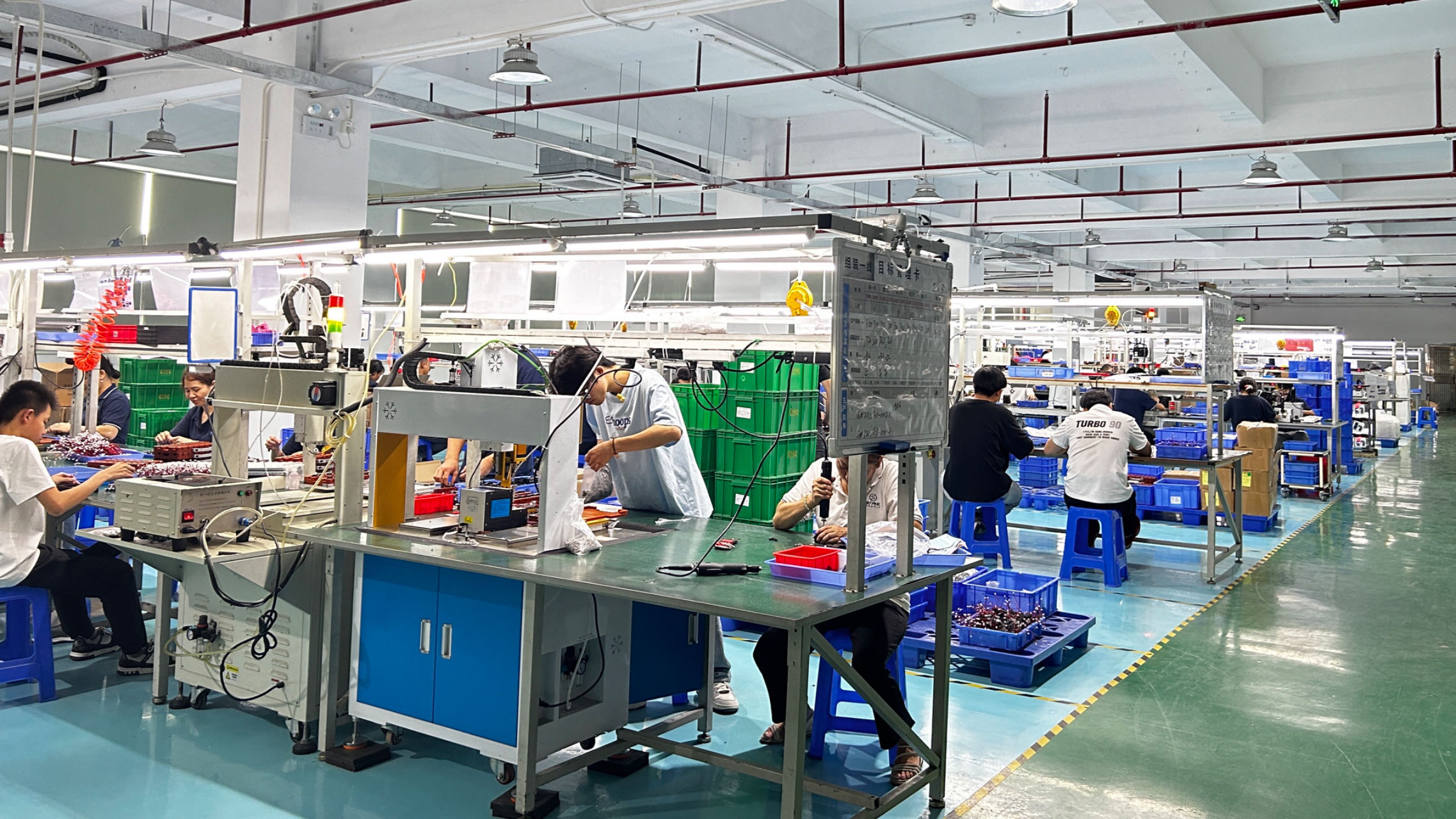
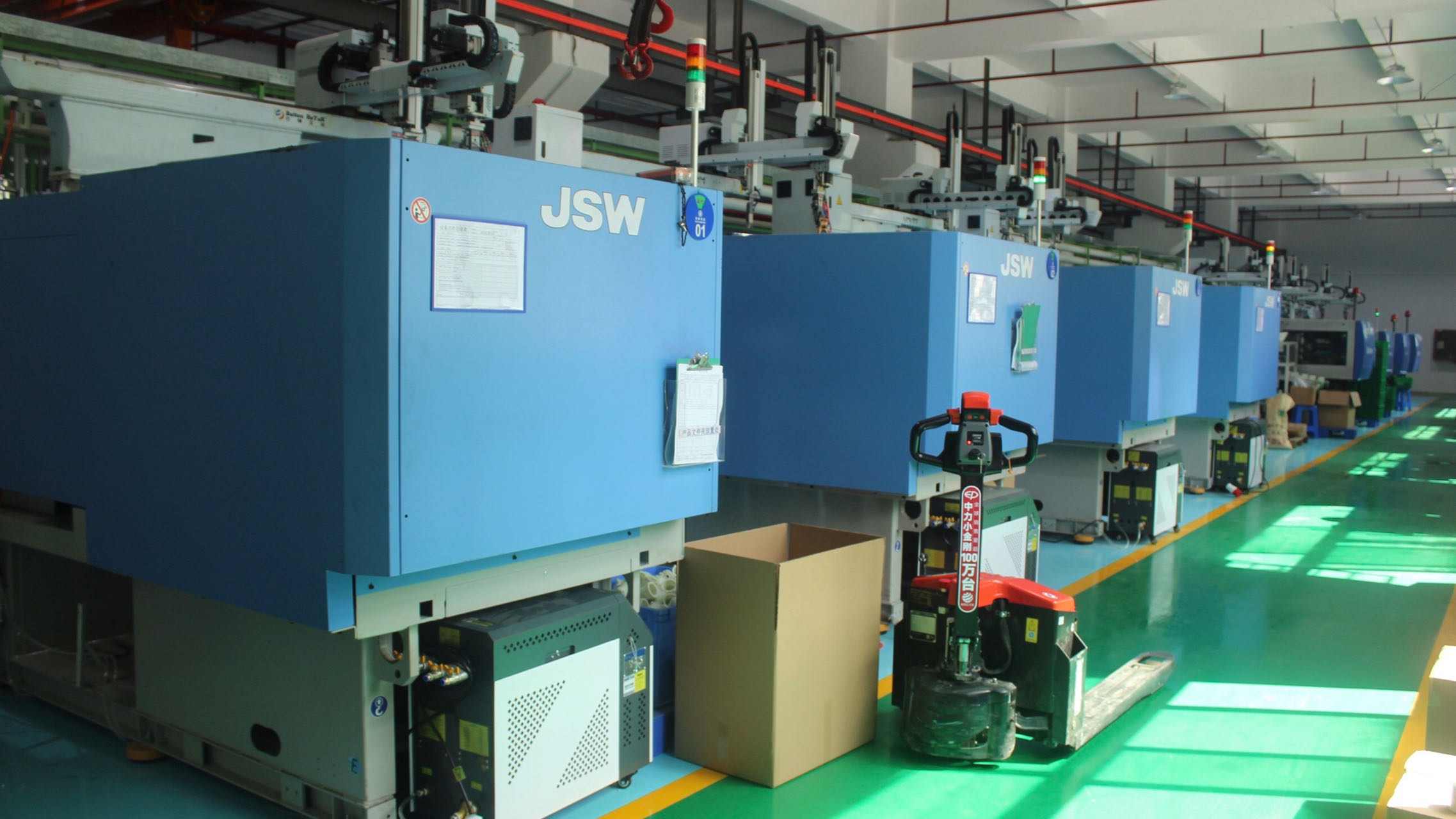
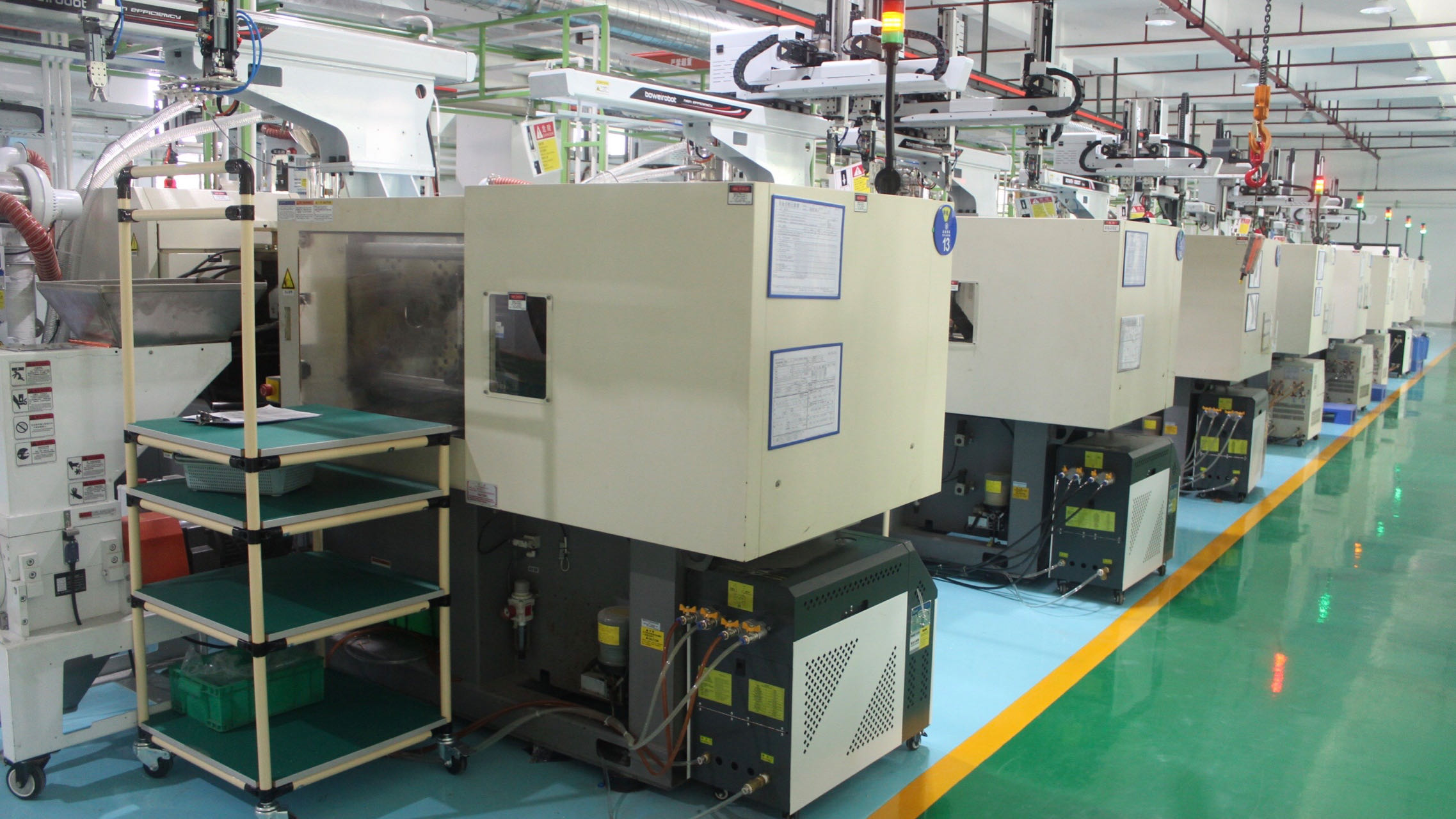
2. Vertical Integration & Scale: Our state-of-the-art facility features automated plastic injection molding, CNC precision turning, computer wire winding, and dedicated heat treatment ovens. This vertical integration keeps lead times exceptionally short and guarantees rigid consistency across production runs of 1,000 to 1,000,000 units.
Each motor goes through a strictly documented manufacturing workflow. This ensures every sub-component—from raw materials to finished packing—conforms to the client's specifications.


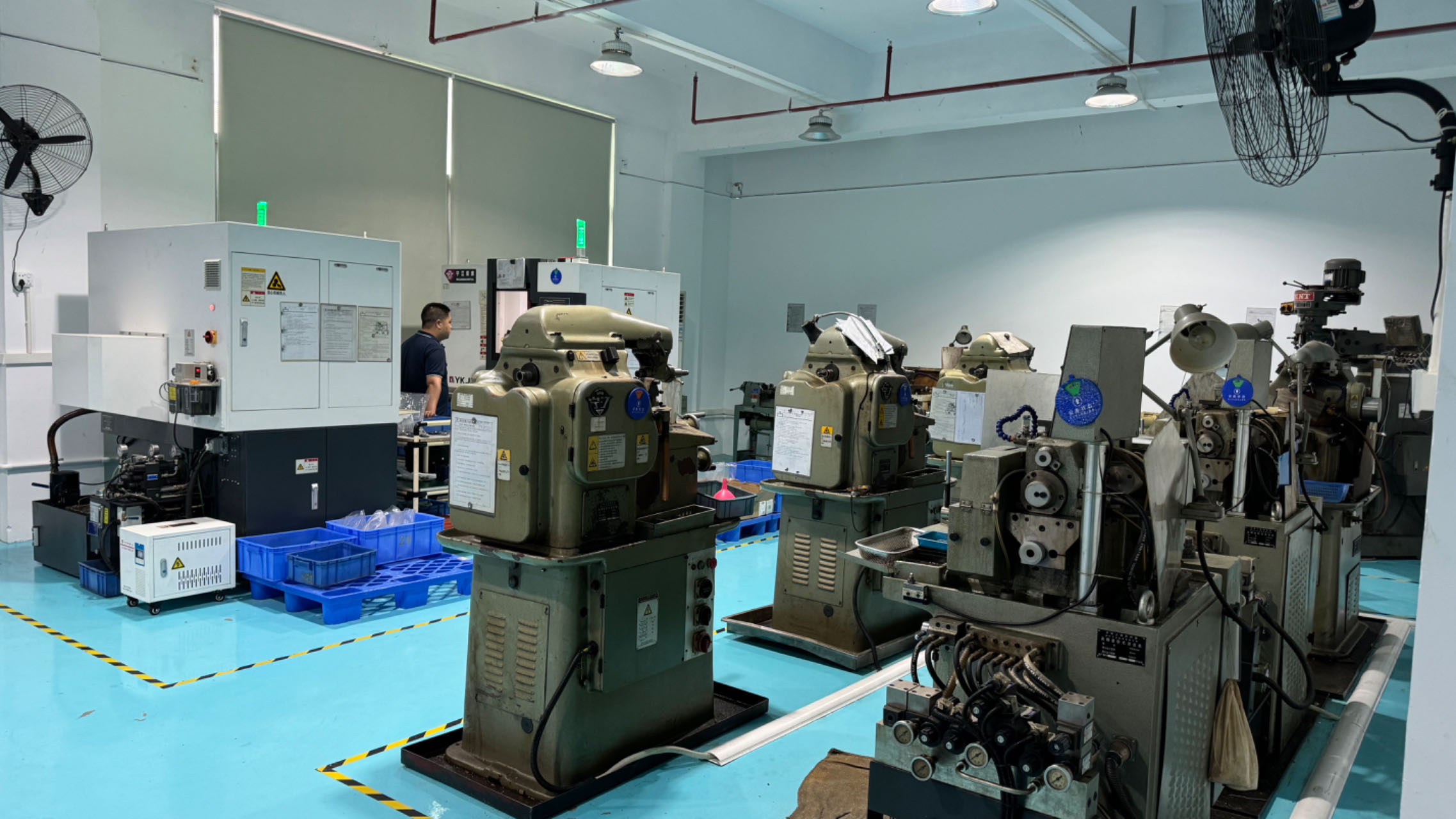
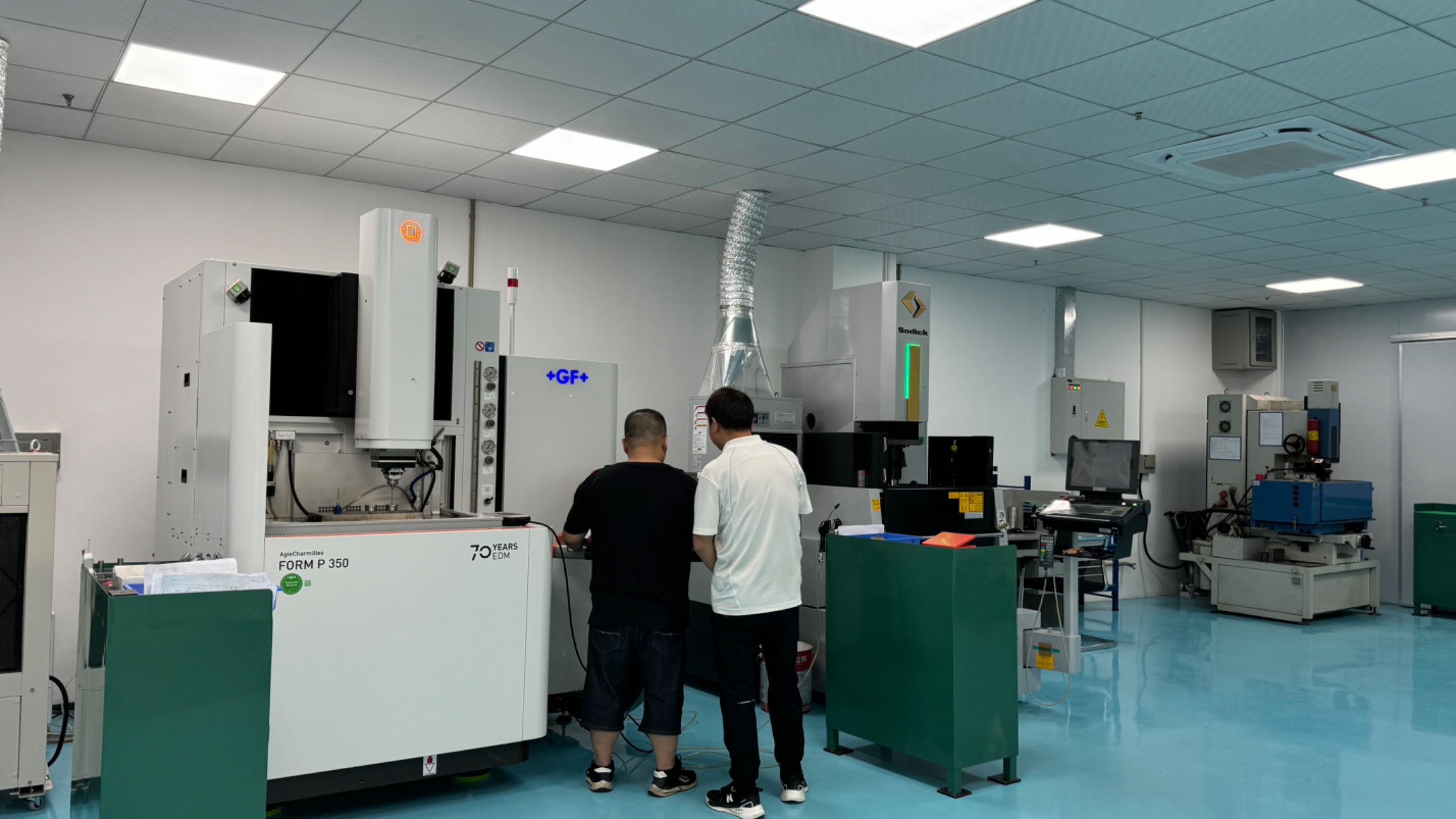
Low backlash and long mechanical lifetime require extreme machining accuracy. Our workshop is equipped with high-performance tooling from industry leaders like NINGJIANG, alongside advanced wire-cutting, spark-erosion (EDM), and high-volume component winding systems.
 NINGJIANG MACHINE TOOL
 Horizontal Gear Hobbing
 Lathing Machine
 Milling Machine
 Drying Oven
 Gear Riveting Machine
 Packing Machine
 Pneumatic Pressing
 Manual Pressing
 Computer Wire Winding
 Injection Machine
 Slow-feeding NC Wire-cut
 EDM
EDM
 Hobbing Machine
 Glue Dispenser
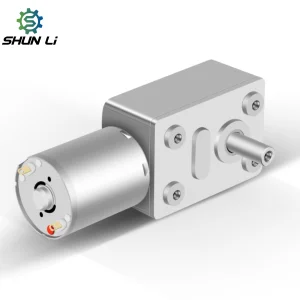
Modern small electric motors require different performance characteristics depending on their application. Our custom designs ensure optimal torque density, mechanical life, and cost for various global industries.
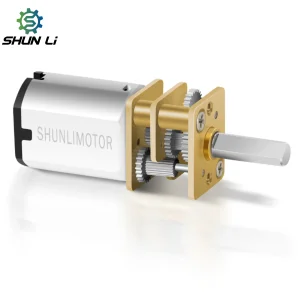
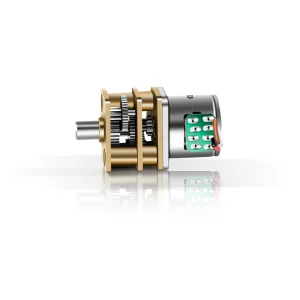
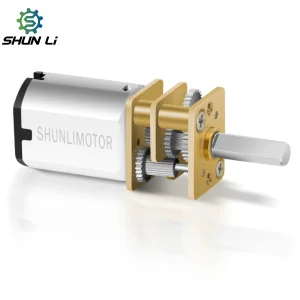
Utilizing N20 and custom miniature geared motors, our security actuators deliver high lock-breaking torque (up to 5.0 kg·cm) in extremely small footprints. Engineered for over 100,000 duty cycles, they support remote residential electronic lock configurations and secure industrial enclosures.
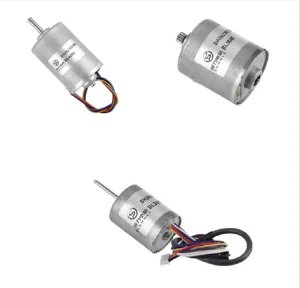
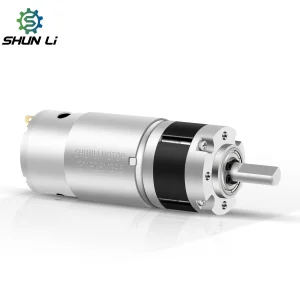
High-efficiency coreless and brushless planetary motors are used in micro-fluidic dosing pumps, surgical power tools, and diagnostics equipment. These drives are built for whisper-quiet operation, dynamic acceleration, and compatibility with strict sterilization standards.
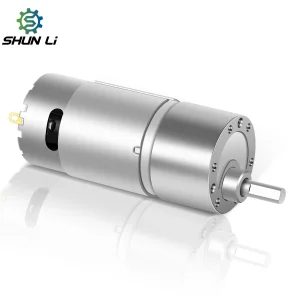
Our planetary gear trains provide zero-backlash feedback control, making them ideal for precise joint movement in service robots, warehouse logistics, automated guided vehicles (AGVs), and multi-axis camera gimbals.
Reliability cannot be assumed; it must be proven. Our verification process features modern metrology and life-cycle simulation gear, testing every motor against challenges like thermal stress, humidity, corrosion, and high mechanical fatigue.
 Research & Design
 Temp & Humidity Chamber
 Acoustic Testing
 Salt Spray Chamber
 Qc Checking
 Dynamometer System
 Hardness Testing
 Video Measuring
 Accelerated Aging Rack
 Motor Parametric Test
 Digital Microscope
 Waveform Analysis
 Anechoic Chamber
 Magnetic Powder Test
The miniature motor sector is seeing a swift transition toward smart, high-power-density solutions. Global buyers must pay close attention to these technological shifts:
When evaluating suppliers, engineers and sourcing managers must confirm certificates like CE, RoHS, and REACH are fully compliant, and verify that manufacturing partners can execute custom shaft designs, custom voltage ratings, and special terminal connections.
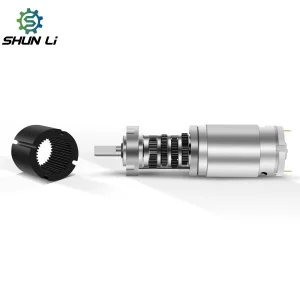
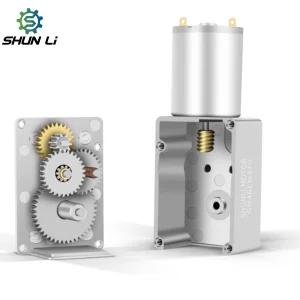
Planetary gearboxes distribute torque load across multiple planet gears, which allows them to handle much higher torque loads within a small, compact volume. They also provide superior structural rigidity and run-out accuracy. Spur gearboxes, by contrast, are simpler and more cost-effective for light-duty applications but have lower torque capacity.
We use specialized gear hobbing machines to minimize gear tooth roughness, apply premium synthetic lubricants, and balance all components on Japanese dynamic balancers. We verify noise levels down to < 45dB in our dedicated acoustic testing chambers.
We offer extensive customizations, including rated operating voltages (1.5V to 36V), custom shaft geometries (D-cut, round, keyed, thread-cut), gear reduction ratios, cable harness configurations, integrated encoders, and special material selections for extreme temperature resistance.
We construct custom sealed enclosures, select moisture-resistant varnishes, and apply high-quality O-rings. We can meet specific IP protection levels (up to IP67) based on client request, verified through salt spray and humidity chamber testing.
Standard prototype adaptations (such as modifying cable connections or shaft profiles) generally take 10 to 15 days. Complex projects involving custom gear ratios or new gearbox tooling typically require 30 to 45 days, followed by structural testing.