Modulox Drive Modulox Drive

Top 10 Heavy Duty Motor Manufacturers for Global Buyers

Time:2026-10-23 Author:Madeline
0%

Choosing a reliable Heavy Duty Motor manufacturer can shape an entire industrial project. It affects uptime, maintenance costs, energy use, and production safety. Global buyers need more than a polished website or a long product list. They need evidence from real operating conditions.

This guide introduces ten established manufacturers serving demanding sectors, including mining, marine equipment, conveyors, pumps, steel processing, and large-scale material handling. Each company is considered through practical criteria such as motor range, rated power, efficiency classes, enclosure protection, cooling methods, customization capacity, and international service support. Certifications, testing procedures, warranty terms, and distributor networks also matter. A motor operating beside a dusty crusher faces different risks from one installed near a humid port.

The ranking is not absolute. That point deserves honesty. A manufacturer strong in high-voltage motors may not suit a compact factory upgrade. Pricing can change with copper costs, freight, exchange rates, and regional demand. Technical claims should be checked against datasheets, test reports, and application references. Buyers should also confirm voltage, frequency, mounting arrangement, duty cycle, ambient temperature, and spare-parts availability before signing a contract.

Experience often reveals small details. A reachable service engineer can matter more than a slightly lower quotation. Fast bearing replacement may protect a production line from several hours of costly downtime. Some companies look perfect on paper, yet their local support remains limited. This overview helps global buyers compare strengths, recognize trade-offs, and ask better technical questions before selecting a Heavy Duty Motor partner.
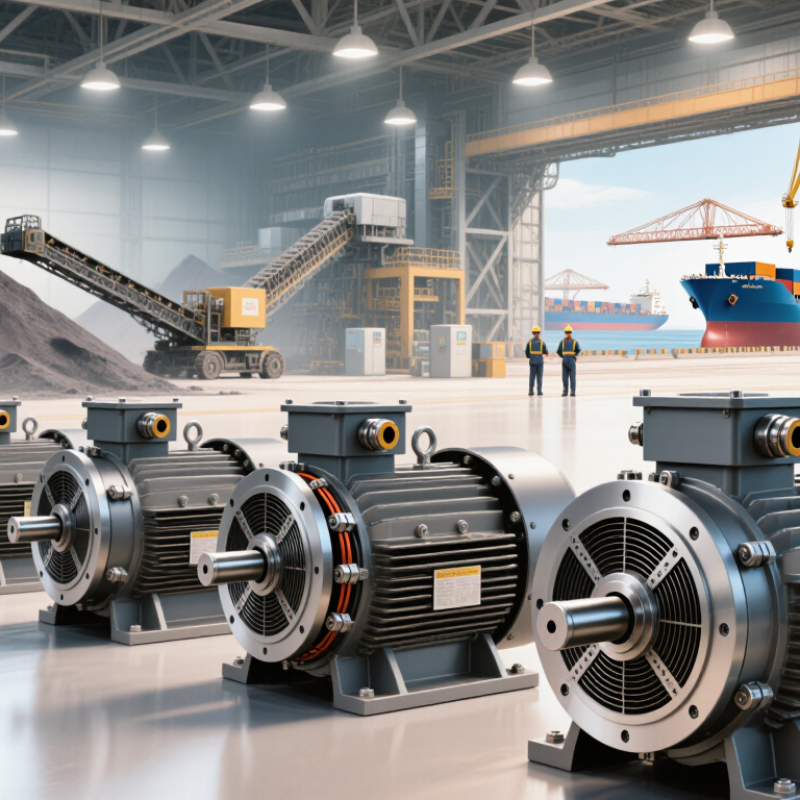
Top 10 Heavy Duty Motor Manufacturers for Global Buyers

Heavy-Duty Motors: Definition, Types, and Industrial Applications

Heavy-duty motors are engineered for demanding industrial service, where high torque, long operating hours, and harsh conditions are normal. Unlike standard motors, they use reinforced housings, stronger bearings, improved cooling, and insulation suited to severe electrical stress. Their ratings often exceed 100 kilowatts, although the required capacity depends on the machine and duty cycle.

Common types include induction motors, synchronous motors, wound-rotor motors, and permanent-magnet motors. Induction motors remain practical for pumps, compressors, conveyors, crushers, and fans. Synchronous motors support precise speed control and can improve power factor. Wound-rotor designs help start heavy loads with reduced mechanical shock. Permanent-magnet motors may deliver high efficiency, but their higher purchase cost needs careful evaluation.

Industrial applications expose weaknesses quickly. A steel mill motor may face dust, vibration, and sudden load changes. A mining motor needs sealed protection against abrasive particles and moisture. Marine pumps require corrosion-resistant construction and dependable insulation. Engineers should check voltage, frequency, enclosure rating, starting current, shaft alignment, ambient temperature, and maintenance access. A larger motor is not automatically safer. Oversizing can reduce efficiency and create control problems.

Field experience also shows that installation quality often matters as much as motor design. Poor alignment can destroy bearings early. Inadequate ventilation can shorten insulation life. Monitoring vibration, temperature, and current helps detect developing faults. Standards improve reliability, but they cannot replace site-specific testing. Selection is sometimes imperfect; real operating data may challenge the original specification.

How the Top Manufacturers Are Selected and Compared

Top 10 Heavy Duty Motor Manufacturers for Global Buyers

How the Top Manufacturers Are Selected and Compared

A reliable ranking starts with evidence, not advertising language. Manufacturers are compared through measurable factors, including power range, torque stability, efficiency, insulation quality, cooling design, and expected service life. Independent test reports, factory quality procedures, and documented field performance carry more weight than attractive brochures. A motor that survives dusty plants, frequent starts, and heavy vibration deserves closer attention.

Global buyers also need to examine production capacity, customization ability, delivery consistency, spare-parts access, and technical support. Warranty terms matter, but response time matters more when a production line stops. Total ownership cost includes installation, energy use, maintenance, and downtime. The cheapest quotation may become expensive later. This is often overlooked.

Tips: Request test data for the exact motor configuration, not a similar model. Check operating temperature, load profile, altitude, enclosure rating, and compatible control equipment. Ask how failures are analyzed and recorded. A confident supplier should explain limitations clearly. No manufacturer fits every application. Rankings can also be imperfect because public data varies by region and project type. Use the list as a screening tool, then validate performance through site requirements, sample documentation, and direct technical discussions.

Global Overview of the Top 10 Heavy-Duty Motor Manufacturers

Top 10 Heavy Duty Motor Manufacturers for Global Buyers

Global Overview of the Top 10 Heavy-Duty Motor Manufacturers

The global heavy-duty motor market is shaped by steel, mining, water, cement, energy, and transport projects. The International Energy Agency reports that electric motor systems consume nearly half of industrial electricity worldwide. This makes efficiency a purchasing decision, not a minor specification. The ten leading manufacturers generally compete through high-voltage designs, severe-duty enclosures, thermal protection, and regional service networks.

Buyers should compare continuous output, starting torque, insulation class, bearing life, and performance under dust or humidity. IEC 60034-30-1 defines international motor efficiency classes, helping procurement teams compare products across countries. The U.S. Department of Energy also identifies motor-driven systems as a major share of industrial electricity consumption. Small efficiency gains can therefore reduce operating costs over thousands of annual running hours.

Reliability depends on more than the nameplate. Factory testing, vibration records, spare-parts access, and technician response times deserve equal attention. A motor rated for 8,000 hours may perform differently in a hot, poorly ventilated plant. No ranking is perfect. Project conditions change the result. Global buyers should request verified test data, lifecycle estimates, warranty terms, and references from similar installations. A cheaper unit can become expensive after repeated bearing failures. That risk is often underestimated.

Key Specifications, Certifications, and Customization Options

Top 10 Heavy Duty Motor Manufacturers for Global Buyers

When comparing heavy duty motor manufacturers, specifications should match the working environment, not just the catalog. Check rated power, voltage, frequency, speed, torque, duty cycle, and starting current. For continuous industrial service, buyers often require S1 duty, high-efficiency performance, robust bearings, and insulation suitable for heat and vibration. Enclosure ratings also matter. An IP55 motor may suit many indoor applications, while dusty or wet sites may require stronger protection.

Certification documents should be clear and traceable. Look for ISO 9001 quality systems, IEC test references, and applicable regional marks such as CE or UL. Hazardous-area projects need carefully verified explosion-protection certificates. Do not accept a certificate number without checking its scope, issuing body, and matching motor model. Small details matter. A mismatch can delay installation.

Customization separates experienced manufacturers from simple resellers. Useful options include altered shaft dimensions, special flanges, brake systems, thermistors, space heaters, encoder feedback, stainless components, and non-standard voltage. Ask for performance curves, routine test reports, material records, and sample inspection data. Factory acceptance testing can reveal vibration or temperature problems before shipment. However, customization can increase lead time and maintenance complexity. I have seen attractive technical proposals overlook spare-parts availability. That weakness deserves attention. Reliable suppliers explain limits openly, provide realistic delivery schedules, and support commissioning across different operating conditions.

How Global Buyers Can Choose the Right Motor Manufacturer

Choosing among the top 10 heavy-duty motor manufacturers requires more than comparing catalog prices. Global buyers should examine tested performance, service coverage, and documented quality controls. The U.S. Department of Energy reports that motor-driven systems consume more than 25% of American electricity. Efficiency affects operating budgets for years.

Start with the duty profile. Record load, speed, starting method, ambient temperature, altitude, enclosure needs, and daily operating hours. A motor running near a dusty crusher needs different protection from one driving a clean-water pump. Ask manufacturers for efficiency curves, temperature-rise data, vibration limits, and routine test records. Compliance with IEC 60034 requirements can improve technical comparability, but it does not replace application testing.

Look beyond the nameplate. Check whether the manufacturer offers local technicians, spare bearings, winding support, and clear warranty procedures. The International Energy Agency identifies motor-system efficiency as a major industrial energy opportunity. Yet buyers sometimes select a cheaper motor without calculating downtime, rewinding costs, or control compatibility. That decision may be understandable, but it is rarely complete. Request references from installations with similar loads and climates. Review delivery history, inspection procedures, and traceability documents. A factory visit can reveal practical details: clean assembly areas, calibrated instruments, and organized spare-parts storage. No scorecard is perfect. Weight lifecycle cost heavily, while leaving room for technical judgment.

FAQS

What industries commonly use heavy-duty motors?

Steel, mining, water, cement, energy, and transport projects use them. They often operate for thousands of hours each year. Small efficiency gains can reduce long-term electricity costs.

Which specifications should buyers compare?

Compare power, voltage, frequency, speed, torque, duty cycle, and starting current. Also check insulation class, bearing life, temperature rise, and enclosure protection. The nameplate is not enough.

What enclosure rating may suit a dusty plant?

An IP55 enclosure may suit many indoor locations. Dusty crushers or wet sites may need stronger protection. Always match protection to actual conditions.

Why does motor efficiency matter so much?

Electric motor systems consume a large share of industrial electricity. A slightly more efficient motor may save money during long operating hours. Purchase price alone can mislead.

Which documents should a global buyer request?

Request test reports, efficiency curves, vibration records, material records, and warranty terms. Check quality-system documents and applicable regional certifications. Verify certificate scope and model details.

What customization options are commonly available?

Options may include special shafts, altered flanges, brake systems, thermistors, space heaters, and encoder feedback. Non-standard voltage and stainless components may also be possible. Customization can increase delivery time.

How can buyers evaluate manufacturer reliability?

Review factory testing, technician response times, spare-parts access, and similar project references. A factory visit may reveal clean assembly areas and calibrated instruments. Those details matter.

What environmental conditions should influence motor selection?

Record dust, humidity, heat, altitude, vibration, load, and daily running hours. A dusty crusher needs different protection from a clean-water pump. Conditions change the answer.

How should buyers compare total lifecycle cost?

Include electricity, maintenance, downtime, bearing replacement, rewinding, and control compatibility. A cheaper motor may become expensive after repeated failures. This risk is often underestimated.

Is a global ranking enough to choose a motor supplier?

No ranking is perfect. Project conditions can change the result. I would request verified data, realistic delivery dates, and local service details.

Conclusion

This guide explains what a Heavy Duty Motor is, how it differs from standard industrial motors, and where it is commonly used, including manufacturing, mining, energy, transportation, water treatment, and heavy processing equipment. It introduces major motor types, such as induction, synchronous, and specialized high-torque designs, while outlining the performance factors that matter in demanding environments.

The article also describes how leading manufacturers are evaluated through reliability, efficiency, production capacity, technical support, certifications, delivery capability, and customization services. Global buyers will learn how to compare power ratings, voltage, speed, enclosure protection, cooling methods, insulation systems, operating conditions, and maintenance requirements. By matching these specifications with application needs, compliance standards, project budgets, and long-term service expectations, buyers can select a dependable manufacturer and achieve safer, more efficient, and more cost-effective motor performance.

Madeline

Madeline

Madeline is a dedicated marketing professional with a wealth of expertise in our company's core offerings. With a keen understanding of the industry, she brings a unique perspective to her role, consistently delivering high-quality content that highlights the superior aspects of our products. As......