Modulox Drive Modulox Drive

Top Tips for Choosing the Right DC Micro Vibration Motor?

Time:2026-08-26 Author:Charlotte
0%

Choosing the right DC Micro Vibration Motor is crucial for various applications. These small motors play a significant role in many devices. They enhance user experience by providing feedback through vibrations.

When selecting a DC Micro Vibration Motor, consider the specifications that matter. Factors like voltage, size, and vibration frequency can influence performance. Understanding these aspects ensures the motor fits your needs.

However, there are common pitfalls when choosing these motors. Many people overlook compatibility and specific requirements. This can lead to underwhelming results or malfunction. Reflecting on these factors helps make better decisions. A thoughtful choice will yield better reliability and effectiveness in your projects.
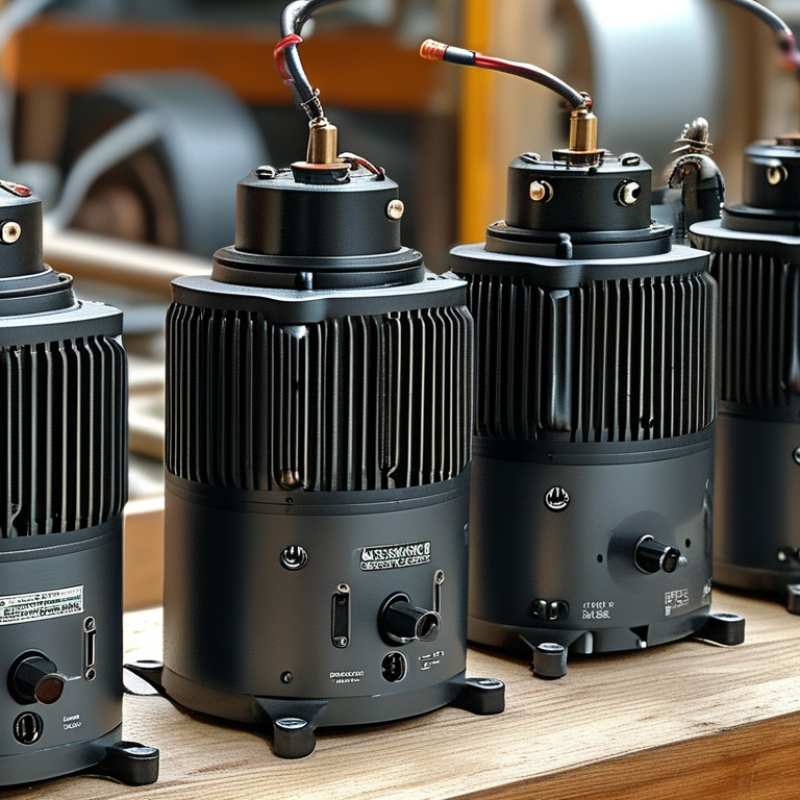
Top Tips for Choosing the Right DC Micro Vibration Motor?

Understanding DC Micro Vibration Motors: An Overview

DC micro vibration motors are essential components in various consumer electronics, health devices, and automotive applications. These motors are designed to produce small vibrations for feedback purposes or to enhance user experience. According to a market study by ResearchAndMarkets, the global DC vibration motor market is expected to grow at a compound annual growth rate (CAGR) of 5.4% from 2022 to 2027. This growth is driven by the increasing demand for compact devices that require efficient and precise vibration feedback.

Understanding the specifications of DC micro vibration motors is crucial. They come in various sizes, weight specifications, and vibration outputs. For example, the frequency and amplitude of the vibration are often tailored to specific applications. Many models output vibrations in the range of 80 to 3000 Hz, making them versatile for different functions. However, the performance can sometimes be inconsistent, especially when operating under varying temperatures or load conditions. Proper testing and evaluation are necessary to ensure reliability in end products.

Furthermore, considerations like energy consumption play a vital role. Some DC micro vibration motors are more power-efficient than others, which impacts battery life in portable devices. Manufacturers need to evaluate the trade-offs between performance and battery life. Selecting the right motor involves understanding its intended application and evaluating its specifications against user expectations. It’s a balancing act of finding quality and cost-effectiveness, which can be challenging in a rapidly evolving market.

Key Specifications to Consider When Selecting a Vibration Motor

Choosing the right DC micro vibration motor involves careful consideration of several key specifications. One major factor is the voltage range. Understanding the voltage requirements of your device is crucial. Motors usually operate within specific voltage ranges, affecting performance. Selecting a motor with a mismatched voltage can lead to inefficiency or burnout.

Next, think about the motor's vibration frequency. Different applications require different frequencies for optimal performance. Some devices need a subtle hum, while others benefit from a strong jolt. Testing various frequencies can help determine which suits your needs best. Pay attention to the amplitude as well; it impacts how noticeable the vibration will be.

Additionally, consider the size and weight of the motor. Smaller motors benefit compact devices, but might lack power. Larger motors offer strength but may not fit in tight spaces. Finding a balance can be challenging but is essential for functionality. Always weigh the trade-offs between size and performance. An ideal motor should meet specifications while remaining practical for your application.

Evaluating Performance Characteristics of DC Micro Vibration Motors

When choosing a DC micro vibration motor, performance characteristics are crucial. The frequency of vibration plays a vital role. Higher frequencies can produce more noticeable effects, while lower frequencies might offer a more subtle experience. It’s essential to match the motor’s frequency with the application needs. Different tasks require different vibrations.

Another aspect to consider is the motor's torque. Stronger torque ensures consistent vibration under various loads. This reliability is key in applications like handheld devices. Evaluate the product specifications carefully. Look for torque ratings that suit your project's demands. Different designs might perform better for specific tasks.

Power consumption is also a significant factor. Motors with lower energy use can translate to better efficiency in devices. Consider how often the motor will be used. Frequent usage will require a balance of performance and efficiency. Find motors that not only perform well but also save energy over time. Reflect on how these metrics align with your specific requirements. Making the right choice requires awareness of these critical characteristics.

Identifying Applications for DC Micro Vibration Motors

When selecting DC micro vibration motors, it’s essential to pinpoint their applications clearly. These motors are commonly found in smartphones, wearables, and medical devices, where compact size and efficiency matter. According to a recent report by ResearchAndMarkets, the global micro vibration motor market is projected to grow at a CAGR of over 7% through 2027, demonstrating increasing demand across multiple sectors.

Understanding the specific requirements of your application is vital. For instance, in consumer electronics, the vibration feedback must be subtle yet effective, enhancing user experience without overwhelming the device. Yet, in industrial applications, durability and continuous operation under various conditions are crucial. A technical evaluation from the International Journal of Engineering Research suggests that optimizing torque and speed for specific use cases can prevent premature failure.

The challenges don’t end with choosing the correct motor. Sensor integration, power supply limitations, and heat dissipation must also be managed carefully. A flawed setup can adversely affect performance and reliability. Users should consider conducting thorough testing and analysis to refine their choices, ensuring motors meet both functional and environmental criteria. Balancing all these factors requires ongoing reflection and assessment.

Tips for Sourcing Quality DC Micro Vibration Motors

When sourcing quality DC micro vibration motors, it’s critical to consider several key factors. The performance specifications, such as voltage and current ratings, can significantly influence the motor's efficiency. Industry reports indicate that motors for consumer electronics need to provide high torque while maintaining low power consumption. Users often overlook these details, which can lead to suboptimal product performance.

Durability is another crucial aspect. Many vibration motors must withstand rigorous conditions. A report from a leading engineering group states that around 20% of electronic devices require motors with increased longevity and fault tolerance. Choosing materials that can resist wear and extreme temperatures will enhance the motor's reliability over time. This need for higher durability is often understated during the selection process.

Beyond specifications and durability, engaging with suppliers is vital. Establish clear communication channels to discuss your specific needs and expectations. Some suppliers may not fully understand your application requirements, which could result in poor product matching. Analyzing supplier certifications and customer reviews helps ensure that you're working with a reputable source. This is a common area where buyers can miss out on quality assurance, leading to substantial challenges in their projects.

Top Tips for Choosing the Right DC Micro Vibration Motor

This chart illustrates the importance of various factors to consider when selecting a DC micro vibration motor. The dimensions include Motor Efficiency, Vibration Frequency, Noise Level, and Size.

FAQS

: What is the importance of frequency in DC micro vibration motors?

: Frequency affects the motor's vibration effects. Higher frequencies create more noticeable vibrations.

How does torque impact the performance of vibration motors?

Stronger torque provides consistent vibrations. This reliability is crucial for handheld devices and varied loads.

Why is power consumption significant for vibration motors?

Lower energy use improves device efficiency. Frequent usage demands a balance between performance and energy savings.

What specifications should I consider when sourcing motors?

Voltage and current ratings significantly influence motor efficiency. Be mindful of these specifications.

How important is durability in vibration motors?

Durability is crucial for motors used in harsh conditions. Materials that resist wear extend motor lifespan.

Why is communication with suppliers essential?

Clear communication helps align motor specifications with application needs. Misunderstandings can lead to poor product matches.

How can I evaluate supplier quality?

Analyze supplier certifications and customer reviews. This assessment can ensure you're choosing a reliable source.

What happens if I overlook specifications?

Ignoring details can lead to suboptimal performance. It's important to focus on every specification.

What should I reflect on while choosing a motor?

Consider how performance metrics align with your specific needs. Reflection can prevent mismatched selections.

Are there common mistakes buyers make in sourcing motors?

Many overlook durability or supplier details, leading to challenges. Awareness of these factors is vital.

Conclusion

Choosing the right DC Micro Vibration Motor involves understanding its fundamental characteristics and performance metrics. These motors are defined by key specifications such as voltage, size, weight, and vibration frequency, which are crucial for determining their suitability for specific applications. When evaluating performance, factors like vibration intensity and durability play a significant role, as they directly impact the effectiveness of the motor in practical scenarios.

Furthermore, it is essential to identify the intended applications of DC Micro Vibration Motors, as different uses demand various performance attributes. Sourcing quality motors requires diligence in examining manufacturer reputation and product reliability, ensuring that the chosen motor meets both performance expectations and application requirements. By considering these factors, you can make informed decisions when selecting a DC Micro Vibration Motor that aligns with your project needs.

Charlotte

Charlotte

Charlotte is a seasoned marketing professional with a deep understanding of the company's portfolio and a passion for elevating its presence in the market. With a keen eye for detail and a commitment to excellence, she ensures that our professional blog is regularly updated with insightful articles......