Modulox Drive Modulox Drive

How to Choose a Low Noise Motor?

Time:2026-10-30 Author:Ethan
0%

Choosing a Low Noise Motor is not as simple as picking the quietest number on a product sheet. A motor can sound smooth on a test bench and become irritating inside a cabinet, pump room, or compact appliance. The mounting surface, load, speed, and nearby components all shape what people hear. A faint hum can travel through a metal panel. A small vibration can become a steady rattle.

Professor Z. Q. Zhu is a respected researcher in electrical machines and drives. A practical paraphrase of the engineering principle behind this topic is: “Quiet operation depends on the whole system, not the motor alone.” This is a paraphrase, not a verbatim quotation. It points to a detail buyers sometimes miss: motor noise may come from electromagnetic forces, bearings, airflow, or vibration transferred into the frame. Each source needs a different remedy. Silence is not one specification.

This guide will help you compare motor types, sound ratings, operating speeds, and installation needs. It will also explain what to ask suppliers, including how noise was measured and under what load. Look beyond a single decibel figure. Check for test conditions, mounting details, and expected service life. A lower reading is useful, but context matters. Sometimes the quietest option is not the best fit. And that is worth reconsidering. A realistic choice balances sound, efficiency, durability, and cost in the actual equipment—not just in a catalog.
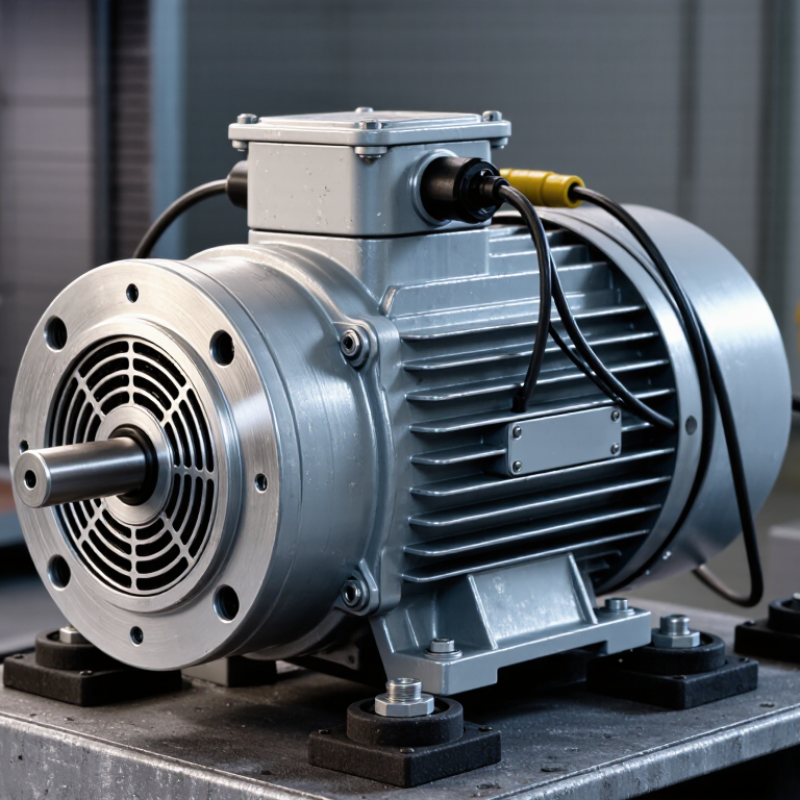
How to Choose a Low Noise Motor?

Understand the Main Sources of Motor Noise

How to Choose a Low Noise Motor?

Understand the Main Sources of Motor Noise

Motor noise usually comes from electromagnetic forces, moving parts, and cooling airflow. Magnetic forces can make the stator and housing hum, especially when the power supply is unstable. Worn bearings may add a rough rattle, while imbalance can make the motor frame tremble against its mounting feet. Fans and narrow vents often create a higher-pitched hiss. Different sounds suggest different causes, though room acoustics can make diagnosis less clear.

The NIOSH report Criteria for a Recommended Standard: Occupational Noise Exposure sets 85 dBA over eight hours as its recommended exposure limit, with a 3 dB exchange rate. This is a worker-exposure guideline, not a motor-selection limit. For consistent motor comparisons, IEC 60034-9 defines noise test methods and sound-power limits for rotating electrical machines. Check how a supplier measured noise; a reading taken nearby may not compare fairly with one taken farther away.

Tips: Listen for the type of sound, not just its loudness. A low hum may point to electromagnetic forces; a rattle can suggest mechanical wear. Compare motors under the same load and installation conditions. Small details matter. A quiet reading in a test room may not predict noise beside a hard wall or inside a ventilated enclosure.

Define Your Application and Acceptable Noise Level

How to Choose a Low Noise Motor?

Define Your Application and Acceptable Noise Level

Start with where and how the motor will operate. A motor beside a quiet office, inside a ventilated cabinet, or on a factory floor faces different noise expectations. Record the mounting surface, enclosure, operating speed, load, and distance to nearby people. A motor may sound quiet on a bench but become noticeably louder when bolted to a resonant panel. That detail matters.

Set a target before comparing models. Specify the measurement position and operating condition, then distinguish sound pressure in dBA from sound power, which helps compare products under defined test conditions. IEC 60034-9:2021 provides noise limits for rotating electrical machines by motor characteristics; check the applicable category rather than relying on a single generic figure. NIOSH’s 1998 Criteria for a Recommended Standard: Occupational Noise Exposure recommends an 85 dBA exposure limit over eight hours, with a 3 dB exchange rate. This is an occupational exposure benchmark, not a suitable design target for every product. For a quiet room, you may need a much lower limit.

Ask suppliers for test data at the intended speed and load, and confirm whether the figure includes the drive or cooling system. Compare readings at the same distance and in similar surroundings; otherwise, the numbers can mislead. A practical specification might state “maximum dBA at one metre under rated load.” It is not perfect—room reflections still matter—but it is more useful than simply requesting a “quiet motor.”

Compare Motor Types and Noise Specifications

How to Choose a Low Noise Motor?
Compare Motor Types and Noise Specifications

A motor’s noise depends on its design, speed, load, and installation. Brushed DC motors can produce a soft mechanical rasp as their brushes contact the commutator. Brushless DC motors avoid that contact, but their electronic drive may create a high-pitched whine. That sound can change with switching frequency and motor speed. Quiet is not guaranteed.

Stepper motors are useful for precise positioning, yet their distinct hum or vibration may stand out at low speeds. Microstepping can smooth movement, though it does not eliminate every source of noise. Induction motors often sound steady, but bearings, cooling fans, and loose mounts can add unwanted rumble. Listen closely. The sound you notice in a quiet room may disappear in a busy workshop—or the reverse.

Compare noise specifications only when their test conditions match. Check the stated sound level in dBA, measurement distance, motor speed, and load. A figure measured one meter away without a load cannot reliably predict performance inside a compact machine. Ask whether the test included the controller and mounting hardware. Then run a practical check: secure the motor to the intended frame, operate it at typical speeds, and listen from the user’s position. I have seen a low published rating mislead when a thin panel amplified vibration. It is an easy detail to miss.

How to Choose a Low Noise Motor?

Indicative operating-noise ranges for common motor types. Lower dB(A) values generally mean quieter operation.

These broad ranges are illustrative, not guaranteed specifications: actual noise depends on motor size, speed, load, mounting, and measurement conditions. Compare manufacturer dB(A) ratings only when the test distance and operating conditions are similar.

Check Features That Reduce Vibration and Sound

How to Choose a Low Noise Motor?

Check Features That Reduce Vibration and Sound

A quiet motor starts with stable rotation, not just a low sound rating. Check the product data for vibration levels, operating speed, and noise measurements under load. A motor may sound gentle on a test bench but become noticeably louder when driving a fan or pump. The difference matters.

Look for balanced rotating parts, well-supported bearings, and a rigid housing. These features can reduce vibration that travels into a mounting panel or machine frame. Soft mounts may help, but they cannot correct poor alignment or an unbalanced load. Installation matters. Leave room for airflow, tighten fasteners evenly, and avoid mounting the motor on a thin, resonant sheet. Room acoustics can also mislead; a hard, empty space makes ordinary sounds seem sharper.

Tips: Compare noise figures only when test conditions match. If possible, listen at the intended speed and load, then check for rattling after installation. A small hum may be acceptable, while a new vibration deserves investigation. I’d still question any single number as a complete measure of quiet operation.

Verify Noise Performance in Real Operating Conditions

A low-noise motor should be evaluated under the conditions it will actually face, not only on a quiet test bench. Noise can change with speed, load, mounting, and temperature. A motor that sounds smooth without a load may produce a noticeable hum once connected to a pump or fan. Test it in its intended housing, with the same supports and nearby panels.

Use a sound meter at a consistent distance, such as one meter, and record the background level before starting. Keep the microphone position fixed. Run the motor at several operating speeds and loads, then note both the reading and the sound character. A steady hum, sharp whine, or intermittent rattle can point to different issues. Listen from more than one side. Reflections from walls can distort a result.

Repeat the measurements after the motor warms up. Small changes in bearing condition or alignment may become clearer then. Compare results only when the setup is consistent; otherwise, the numbers can mislead. A single reading is not enough. Even a careful test has limits: room acoustics rarely match the final installation exactly. Document those limits, along with speed, load, distance, and mounting details, so the comparison remains useful.

How to Choose a Low Noise Motor? - Verify Noise Performance in Real Operating Conditions

Example acceptance-test matrix for comparing motor noise under representative operating conditions. Example readings are illustrative; verify results on the actual motor and installation.

Operating condition Speed (rpm) Load (% rated torque) Ambient temperature (°C) Background noise (dBA) Motor sound level, LAeq (dBA) Housing vibration (mm/s RMS) Assessment against 52 dBA example limit
Low-speed, no load 600 0 23 29 38.2 0.45 Pass
Mid-speed, 50% load 1,200 50 24 29 43.6 0.72 Pass
Rated speed, 75% load 1,800 75 25 30 47.8 1.05 Pass
Rated speed, full load 1,800 100 26 30 50.6 1.42 Pass
High-speed, 50% load 2,400 50 25 30 49.1 1.18 Pass
High-speed, full load 2,400 100 27 30 51.8 1.76 Pass

Test setup: microphone 1 m from the motor, A-weighted equivalent sound level (LAeq) averaged over 30 seconds, with the motor installed on its intended mount. Background noise is at least 8 dB below each reported motor reading. The 52 dBA limit is an example project criterion, not a universal motor standard; compare candidates using the same speed, load, mounting, distance, and measurement method.

FAQS

Which motor type is usually quieter?

It depends on speed, load, and installation. Brushed motors may make a soft rasp, while brushless motors can produce a high-pitched whine. Stepper motors may hum or vibrate at low speeds. Quiet is not guaranteed.

How should I compare motor noise ratings?

Compare dBA readings only when the test conditions match. Check the measurement distance, speed, load, and whether the controller and mounting hardware were included. A one-meter, no-load reading may not predict noise inside your machine.

What features can help reduce vibration?

Look for balanced rotating parts, supported bearings, and a rigid housing. These can reduce vibration reaching the frame or panel. Soft mounts may help, but they cannot fix poor alignment or an unbalanced load.

Can installation make a motor louder?

Yes. A thin mounting panel can amplify vibration, and loose fasteners may cause rattling. Tighten mounts evenly and leave room for airflow. Installation matters.

How can I test noise in real operating conditions?

Mount the motor in its intended housing and use its typical load. Measure from a fixed distance, such as one meter, and record the background sound first. Test several speeds.

What should I listen for during a test?

Note whether the sound is a steady hum, sharp whine, or intermittent rattle. Listen from the user’s position and from another side. Reflections can change what you hear.

Should I test the motor after it warms up?

Yes. Repeat the measurements after the motor has run for a while. Changes in bearing condition or alignment may become clearer. A single reading is not enough.

Can one noise number prove a motor will be quiet?

No. Room acoustics and final mounting can change the result. Record speed, load, distance, and mounting details. I would still treat any single rating with caution.

Conclusion

Choosing a Low Noise Motor begins with understanding where sound comes from. Noise may be caused by electromagnetic forces, bearing friction, airflow, vibration, or the way a motor is mounted. Identifying the likely source helps you focus on the features that matter most rather than relying on a single noise rating.

Next, define how and where the motor will operate, along with the level of sound that is acceptable for your application. Compare motor types and their noise specifications under similar conditions, and look for design features such as balanced rotating parts, quality bearings, vibration isolation, and effective enclosures. Finally, verify performance in real operating conditions. Load, speed, mounting, and nearby surfaces can all affect perceived noise, so testing the motor in a setup that resembles its intended use can help ensure it meets your needs.

Ethan

Ethan

Ethan is a seasoned marketing professional with a deep expertise in our company's innovative product line. With a passion for sharing knowledge and insights, he takes the lead in regularly updating our corporate blog, where he explores industry trends, product features, and effective marketing......