Modulox Drive Modulox Drive

How to Choose the Best Planetary Gear Motor for Your Needs?

Time:2026-07-13 Author:Mason
0%

When selecting the right Planetary Gear Motor, understanding your specific application is crucial. These motors are renowned for their high efficiency and compact size. They are often used in robotics, automation, and automotive systems. With various designs available, it can be overwhelming.

Look at power requirements, speed, and torque. These factors significantly affect performance. A detailed analysis of your needs can help avoid costly mistakes. Consider the environment where the motor will operate. Dust, moisture, and temperature can influence the choice.

Don't forget to evaluate your supplier's expertise. A knowledgeable vendor can guide you through different options. Explore customer reviews for insights into reliability and quality. It's essential to balance performance with your budget. Choosing the wrong model may lead to inefficiencies. Take the time to reflect on your choices. The right Planetary Gear Motor can enhance productivity and reduce energy costs.
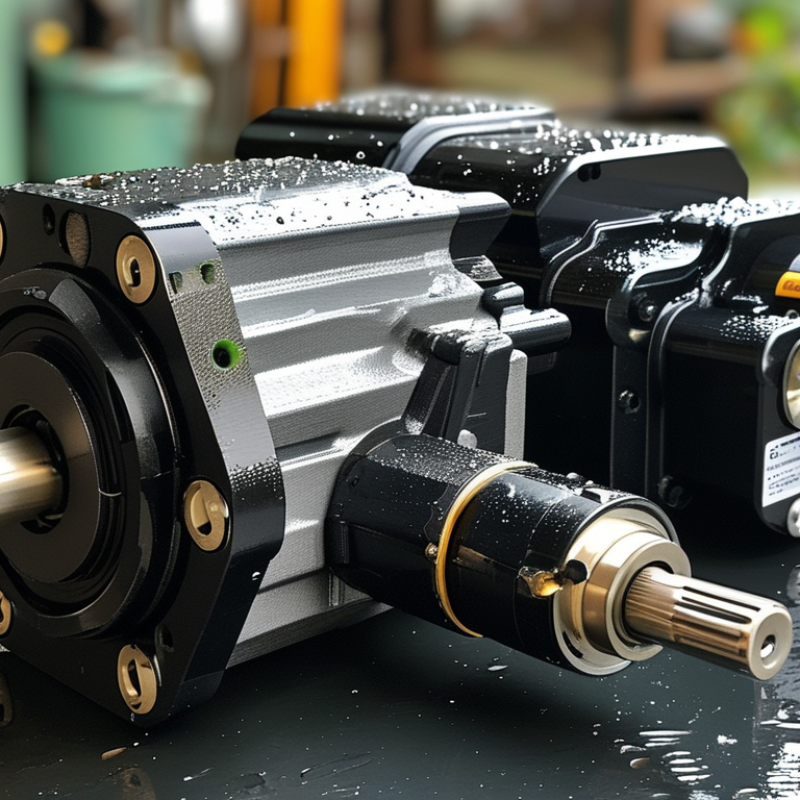
How to Choose the Best Planetary Gear Motor for Your Needs?

Understanding the Basics of Planetary Gear Motors

Understanding planetary gear motors is crucial for making informed decisions. These devices are known for their compact size and high efficiency. They combine gears in a unique arrangement, allowing for greater torque output and precise motion control. Specifically, planetary gear motors are often used in robotics, automotive applications, and automated systems. Their design facilitates the transfer of load through the gears, which enhances durability.

When choosing a planetary gear motor, consider your application’s requirements. The torque, speed, and size specifications are vital. Selecting a motor that is too small can lead to failure, while one that is too large may be inefficient. It’s essential to match the motor’s capabilities with your actual needs.

Tips:
- Evaluate load conditions carefully.
- Analyze the operational environment.
- Opt for high-quality materials.

Even with the right information, mistakes can occur. For example, some users may overlook the importance of torque ratings, leading to suboptimal performance. Reflecting on such experiences can provide valuable lessons for future choices. Understanding these basics can help guide your selection process effectively.

Key Factors to Consider When Selecting a Planetary Gear Motor

When selecting a planetary gear motor, consider key factors that affect performance. The load requirements are crucial. Understand the torque needed for your application. A motor with insufficient torque may underperform or fail. Analyze the speed requirements as well. Different applications can demand varying speeds. Choose a motor that can deliver the necessary speed without compromising torque.

Tips: Calculate the gear ratio needed for your system. This can help in selecting a motor that fits your requirements. Keep in mind that overestimating your needs can lead to overspending.

Another important aspect is the operating environment. Planetary gear motors can be sensitive to temperature and moisture. Assess the conditions where the motor will operate. A motor with appropriate housing can withstand harsh environments. Don't overlook the importance of maintenance. Regular checks can extend the motor's lifespan. Ensure you fit it into your operational strategy.

Tips: Look for design features that simplify maintenance. Simplicity can save time and resources in the long run. Always consider the balance of cost and quality. Sometimes, a lower-cost option can result in more issues later. Factor in your long-term needs before making a decision.

Comparing Different Types of Planetary Gear Motors

When comparing different types of planetary gear motors, several factors come into play. These motors excel in torque density and efficiency. Their compact design makes them ideal for tight spaces. Additionally, they offer a high reduction ratio, which can significantly impact performance.

There are several variations in planetary gear motors. Some are designed for high-speed applications. Others focus on greater torque output. The choice between these types depends on specific operational needs. Understanding the load requirements is crucial. A mismatch can lead to reduced efficiency or even mechanical failure.

Material quality also affects durability and performance. Motors made from robust materials can handle more stress. Less durable options might seem cost-effective initially, but they may require frequent replacements. This can lead to higher long-term costs. It’s essential to weigh initial savings against durability and reliability.

Evaluating Performance Specifications for Your Application

When selecting a planetary gear motor, understanding your performance specifications is critical. These motors are designed to provide high torque and speed reduction. However, not all applications require the same specifications. Evaluate the torque, speed, and power rating necessary for your project. Find out how much load your motor must handle and the response time you expect.

Tips: Always consider the efficiency rating of a planetary gear motor. A higher efficiency means less energy wasted and extended motor life. Look for models that offer thermal protection to prevent overheating during prolonged use.

The environment where you will use the motor also matters. Extreme temperatures or exposure to dust and moisture can influence your selection. Legal compliance may affect material choices too. Remember, testing several motors before making a final decision is wise.

Tip: Customizing gear ratios can optimize performance for specific applications. Don't settle for generic solutions; experiment to find what truly meets your needs. Assessing compatibility with existing systems is crucial to avoid operational failures.

Analyzing Cost-Effectiveness and Long-Term Value of Gear Motors

When selecting a planetary gear motor, cost-effectiveness and long-term value are crucial aspects. Many manufacturers cite that a well-chosen gear motor can reduce operational costs by up to 30%. This reduction often results from improved efficiency, which minimizes energy consumption. It's essential to analyze how these motors will perform in your specific application. Does your application demand high torque and low speed? If so, planetary gear motors are known for their compact design and high torque density.

**Tip**: Look beyond the initial purchase price. Consider maintenance costs and the motor's lifespan. The right motor may have a higher upfront cost but offers significant savings over time. Regular maintenance can extend the lifespan of gear motors, frequently reported to last over 10 years with regular care.

While data supports the benefits of high-efficiency motors, it's vital to reflect on the potential downsides. If you select the wrong motor, inefficiencies can arise. A poorly matched gear motor can lead to overheating and increased wear. Take time to evaluate your specific needs and how various options stack up in real-world usage. Studying industry reports can provide insights into performance benchmarks, ensuring you make an informed decision.

Cost-Effectiveness Analysis of Different Planetary Gear Motors

FAQS

: What are the benefits of planetary gear motors?

: They offer high torque density, efficiency, and compact design suitable for tight spaces.

How should I choose between different types of planetary gear motors?

Consider specific operational needs, including speed and torque requirements for your application.

Why is material quality important for gear motors?

High-quality materials enhance durability, while lower-quality options may need frequent replacements.

What should I consider regarding motor performance specifications?

Evaluate torque, speed, power rating, and load requirements to ensure optimal performance.

How does the environment affect motor selection?

Extreme temperatures, dust, and moisture can impact performance and material choices.

What is a key tip for optimizing gear motor performance?

Customize gear ratios to meet specific application needs instead of relying on standard options.

Why shouldn't I only focus on the initial motor cost?

Higher upfront costs may lead to savings over time through lower maintenance and longer lifespan.

What can happen if I select the wrong gear motor?

Inefficiencies may arise, leading to overheating and increased wear on the motor.

Why is testing different motors recommended before a final decision?

It helps ensure compatibility and performance in real-world scenarios for your specific application.

How can regular maintenance affect the lifespan of gear motors?

Proper maintenance can extend motor life, with many lasting over 10 years if cared for correctly.

Conclusion

When selecting the best Planetary Gear Motor for your specific needs, it's essential to understand the fundamentals of how these motors operate. Key factors to consider include the motor's size, torque requirements, efficiency, and the specific application it will be used for. Comparing different types of Planetary Gear Motors can help identify the most suitable option, taking into account their unique characteristics and benefits.

Additionally, evaluating performance specifications is crucial to ensure that the selected motor meets your operational demands. Cost-effectiveness and long-term value should also be analyzed, as these factors play a significant role in the overall investment. By thoroughly assessing these aspects, you can make an informed decision and choose a Planetary Gear Motor that aligns perfectly with your project's requirements.

Mason

Mason

Mason is a seasoned marketing professional with a deep expertise in the company's offerings and a passion for driving brand awareness. With a strong background in digital marketing strategies, he has an innate ability to connect with diverse audiences and effectively communicate product benefits.......