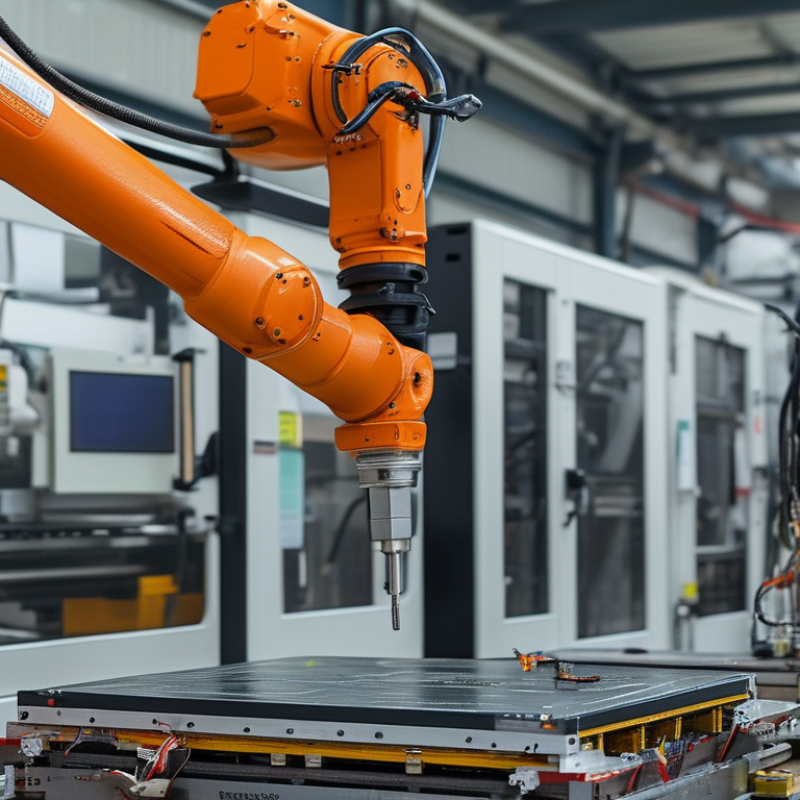
In today's rapidly evolving automation landscape, choosing the right Stepper Motor is crucial. These motors play a pivotal role in diverse applications, from robotics to 3D printing. A well-selected Stepper Motor ensures efficiency and precision, significantly impacting overall performance.
Understanding the various types of Stepper Motors can be challenging. Each type comes with distinct advantages and limitations. For instance, some may offer high torque at low speeds, while others excel in high-speed applications. Navigating these options requires both knowledge and experience.
Making the wrong choice could lead to inefficiencies. This not only affects performance but also increases operational costs. It's essential to evaluate the specific needs of your automation solution. By considering factors like load requirements and control methods, you can identify the most suitable Stepper Motor for your project.
Understanding Stepper Motors in Automation Applications
Stepper motors play a crucial role in automation applications. They convert electrical pulses into precise mechanical movements. This quality makes them popular in various fields, such as robotics and CNC machinery. They help achieve high accuracy, which is vital for efficient automation.
In selecting the right stepper motor, consider factors like torque and speed. Higher torque translates to better performance in demanding tasks. Additionally, speed determines response time, which affects overall efficiency. Keep in mind the power requirements, too. Power mismatches can lead to motor failure.
Tips: Always test your setup before full implementation. Small adjustments can greatly impact performance. Pay attention to heat generation during operation. Too much heat can reduce lifespan and reliability. Regular maintenance checks are essential. Ensure all connections are secure to avoid unexpected failures. This diligence will help sustain efficient automation solutions over time.
Different Types of Stepper Motors and Their Characteristics
Stepper motors are crucial for many automation solutions. They come in various types, each with distinct characteristics suited for specific applications. The key types include permanent magnet, variable reluctance, and hybrid stepper motors. Each offers unique advantages depending on the requirements.
Permanent magnet stepper motors are popular for their simple design. They provide high torque at low speeds, ideal for applications needing precision. Variable reluctance motors are more complex. They offer better performance in terms of speed but may lack torque at low speeds. Hybrid stepper motors combine the benefits of both types. They deliver high efficiency and performance, often preferred in robotics and CNC machinery.
Despite their advantages, mistakes can occur in motor selection. Miscalculating torque needs can lead to performance issues. Additionally, improper voltage ratings may result in overheating. It’s crucial to assess your application’s requirements carefully. Understand the environment where these motors will be used. This minimizes potential failures and enhances reliability in automation systems.
Factors to Consider When Choosing a Stepper Motor
When selecting a stepper motor for automation, multiple factors must be assessed. Torque requirements are critical. Different applications demand varied torque levels. For instance, robotics often requires high torque at low speeds. Reports indicate that stepper motors can deliver up to 3 Nm of torque, but this can vary significantly based on type and design.
Another vital consideration is the motor's step angle. A smaller step angle allows for finer resolution and smoother operation. Many models range from 0.9° to 1.8°. This precision is essential for applications in CNC machines or 3D printers. A study by the International Journal of Advanced Manufacturing Technology highlighted that smoother motor operations can enhance the overall efficiency of automation systems by 30%.
It's also essential to evaluate power consumption versus performance. Some motors may appear efficient but consume more energy under load. According to the IEEE Transactions on Industrial Electronics, optimizing stepper motor drive current can yield energy savings of 15% to 25% in specific applications. Balancing performance and energy efficiency remains a challenging yet necessary task. Understanding these factors ensures effective automation solutions, but they also require careful consideration and potential reevaluation as needs evolve.
Best Applications for Each Type of Stepper Motor
Stepper motors are key components in many automation solutions. They offer precise control and repeatability. Each type serves distinct applications, making it essential to choose the right one.
Permanent magnet stepper motors are popular for 3D printers and CNC machines. Their simplicity allows for easy integration. However, they struggle with high-speed operations and can lose steps. This means users must be cautious about speed and load.
On the other hand, hybrid stepper motors provide a balance between torque and precision. They excel in robotics and medical equipment. Yet, they tend to be more complex, requiring sophisticated control systems. Users must weigh the benefits against the implementation challenges. The right choice often involves understanding specific requirements and potential drawbacks. Each application brings unique needs and learning curves.
Enhancing Efficiency with Stepper Motors in Automation Systems
Stepper motors play a crucial role in modern automation systems. They provide precise control and high reliability. Their ability to convert digital signals into mechanical movement enhances the efficiency of various applications. Factories, medical equipment, and 3D printers are just a few examples where stepper motors excel. Manufacturers are increasingly recognizing the need for accurate positioning that stepper motors provide.
However, selecting the right type of stepper motor isn’t always straightforward. Factors like load, speed, and torque need careful consideration. Different motor configurations could lead to different performance outcomes. A miscalculation can slow down production lines or increase energy consumption. This is why understanding the fundamental principles of these motors is paramount for engineers.
Incorporating stepper motors into automation solutions can yield significant benefits. Yet, it requires a thoughtful approach to design and implementation. Engineers should test different configurations to find the best fit for their specific needs. Continuous evaluation and adjustments can lead to improved efficiency. Small changes can make a big difference, especially in a competitive industry.
FAQS
: Stepper motors convert electrical pulses into precise movements, crucial for robotics and CNC machinery.
Consider torque, speed, power requirements, and step angle for optimal performance in automation tasks.
Higher torque leads to better performance, especially in demanding tasks, ensuring efficient operation in automation.
A smaller step angle provides finer resolution and smoother operation, vital for machines like CNC and 3D printers.
Monitor heat generation during operation. Excessive heat can reduce motor lifespan and reliability.
Routine checks help ensure secure connections and prevent unexpected failures, which is crucial for reliable automation.
Miscalculating torque needs or using incorrect voltage ratings can lead to overheating or inadequate performance.
Some motors may be inefficient under load, needing a balance between performance and energy savings for sustainability.
Testing before full implementation allows for small adjustments that can significantly enhance overall performance.
Regularly reevaluate motor selection and performance needs to adapt to evolving requirements in automation.
Conclusion
Stepper motors are essential components in automation solutions, providing precise control over motion. Understanding their operational principles and characteristics is crucial for selecting the right type for specific applications. The article discusses various types of stepper motors, including permanent magnet, hybrid, and variable reluctance, each with unique features that cater to different automation needs.
When choosing a stepper motor, important factors include torque requirements, speed, and the environment in which the motor will operate. Additionally, the article outlines the best applications for each type of stepper motor, emphasizing how these devices can enhance efficiency in automation systems. By selecting the appropriate stepper motor, businesses can optimize performance, reduce energy consumption, and improve overall productivity in automated processes.
 Modulox Drive