Modulox Drive
In industrial settings, the choice of DC Motor is crucial for achieving efficiency. The right type can significantly impact operational performance. Various DC Motor types exist, each designed for specific tasks. Understanding these types can lead to better application outcomes.
Many industries rely on DC Motors for varying speeds and torque. Applications range from conveyor systems to robotics. However, not all DC Motors fit every situation. Selecting the wrong motor can lead to inefficiencies and increased costs. Precision is vital in this decision-making process.
The advantages of DC Motors are notable, yet challenges persist. Regular maintenance is essential to ensure longevity. Knowing how to address common issues is part of optimizing their use. Industry professionals must prioritize reliability, ensuring their systems run smoothly and effectively over time. This dynamic blend of experience and knowledge can enhance operational success.
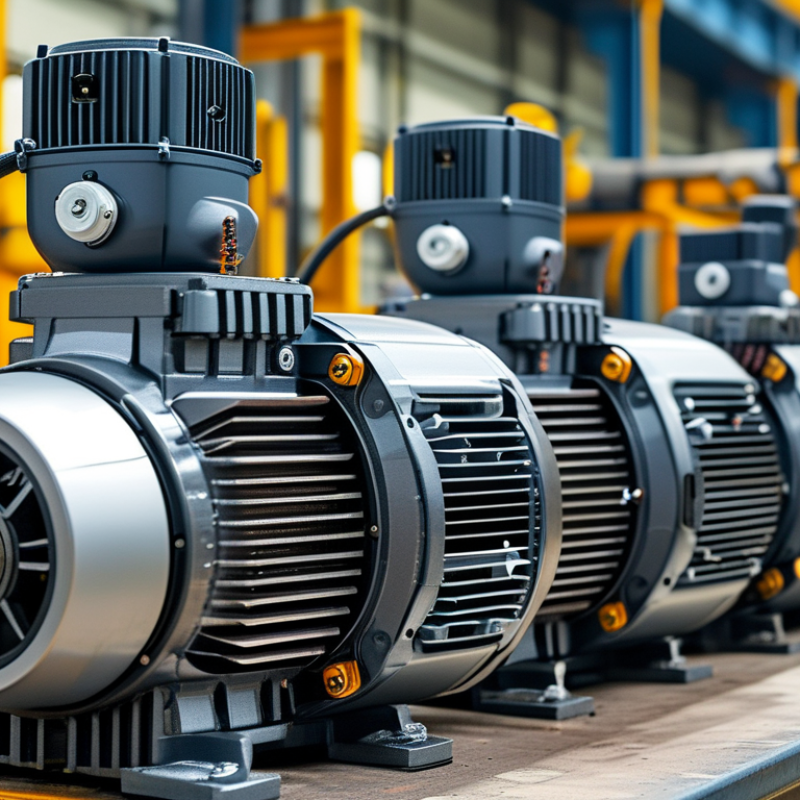
DC motors are gaining popularity in industrial applications due to their many advantages. They are known for their precise speed control. In fact, studies show that a DC motor can achieve speed control accuracy of up to ±1%. This level of precision is crucial in manufacturing processes, where even small deviations can lead to defects.
Additionally, DC motors are remarkably efficient. According to a recent industry report, DC motors can attain efficiencies exceeding 90%. This high efficiency reduces energy consumption. As a result, businesses can lower their operational costs significantly. Moreover, DC motors have a simple design, which contributes to easier maintenance. The straightforward setup minimizes downtime, optimizing productivity.
Tips for choosing DC motors: Begin by assessing your specific application needs. Consider factors like torque, speed, and load requirements. Look for motors designed specifically for efficiency in your industry. Sometimes, the simplest design offers the most reliability. Remember, not all DC motors are created equal. Prioritize those that align with your operational goals.
DC motors are integral in various industrial applications. Understanding their types is essential for efficiency. The main types include brushed, brushless, stepper, and servo motors. Each type has distinct characteristics and serves different functions.
Brushed DC motors are renowned for simplicity. They offer robust performance in low-cost applications. However, they require regular maintenance due to brush wear. Brushless motors, while more expensive, provide higher efficiency and longer lifespan. This makes them suitable for precision tasks in automation setups. According to a recent industry analysis, brushless motors can achieve efficiency rates over 90%, significantly reducing energy costs.
Tip: When selecting a motor, assess your application's torque and speed requirements. This will guide you towards the most efficient type.
Stepper motors allow for precise control over positioning. They feature incremental movement, perfect for 3D printers and CNC machines. However, their performance can degrade under heavy loads. Servo motors excel when precise control and feedback are necessary. Applications such as robotics benefit from their accuracy. Nonetheless, the complexity of setup and cost can be limiting factors.
Tip: Evaluate the total cost of ownership, including maintenance and operational costs, to make a well-informed decision.
| Motor Type | Characteristics | Applications | Efficiency |
|---|---|---|---|
| Brushed DC Motor | Simple control, low cost, reliable. | Automotive, Robotics, Small appliances. | 70-85% |
| Brushless DC Motor | Higher efficiency, longer life, low maintenance. | Electronics, HVAC systems, Industrial equipment. | 85-95% |
| Coreless DC Motor | Lightweight, fast response, low inertia. | Robotics, Medical devices, Hand-held tools. | 80-90% |
| Permanent Magnet DC Motor | Compact, benefits from permanent magnets. | Fans, pumps, electric vehicles. | 75-90% |
When considering DC motor types for industrial applications, efficiency metrics play a crucial role. Each motor type has unique characteristics that determine its effectiveness. For instance, brushed DC motors are straightforward and cost-effective. However, they require maintenance due to brush wear, which can impact overall efficiency over time.
On the other hand, brushless DC motors offer higher efficiencies and require less maintenance. These motors operate using electronic commutation, resulting in smoother performance. Many industries prefer brushless options for their durability and efficiency in high-demand settings. However, the initial cost can be higher.
Ultimately, selecting the right type involves weighing initial investments against long-term operational costs. This decision requires careful consideration. Often, there is no one-size-fits-all solution. Evaluating specific needs and potential trade-offs is essential for optimized performance.
DC motors are integral in various industrial settings. They are known for their efficiency and reliability. Common applications include robotics, conveyor systems, and electric vehicles. In robotics, DC motors enable precise control of movement. This precision is essential for tasks like assembly and material handling.
Conveyor systems benefit from the smooth operation of DC motors. These motors provide consistent speed and torque, ensuring products move seamlessly along production lines. In electric vehicles, DC motors drive performance and efficiency. They allow for quick acceleration and deceleration, optimizing energy use.
However, it’s crucial to consider the limitations. Overheating can occur if motors are not appropriately sized for the application. Additionally, the need for regular maintenance adds operational costs. Understanding these factors can help in selecting the right motor for specific tasks. In some cases, using alternative motor types may be more beneficial. Careful evaluation is key to maximizing efficiency and performance.
The evolution of DC motor technology has witnessed significant advancements aimed at improving efficiency in industrial settings. One noteworthy trend is the incorporation of advanced materials. Manufacturers are now using high-performance magnets and lightweight composites. These materials enhance torque and reduce energy losses. Efficiency gains can be noticeable in energy-intensive applications.
Another trend is the integration of smart technology. Sensors and IoT capabilities allow for real-time monitoring. This enables predictive maintenance, reducing downtime. Data-driven insights can optimize motor performance over time. However, there are challenges associated with implementing this technology. Integration complexity can deter companies from upgrading systems. Budget constraints may also limit the adoption of new technologies.
As industries strive for sustainability, energy-efficient DC motors are becoming crucial. However, companies must carefully evaluate the long-term benefits versus initial costs. Investing in training for staff on new technologies is essential. The balance between traditional practices and modern advancements is still a work in progress.
: The main types are brushed, brushless, stepper, and servo motors. Each serves distinct functions.
They are simple and cost-effective. However, they need regular maintenance due to brush wear.
Brushless motors provide higher efficiency, longer lifespan, and lower maintenance requirements. They excel in precision tasks.
Stepper motors allow for precise positioning. They're ideal for applications like 3D printing and CNC machining.
Their performance can degrade under heavy loads, impacting efficiency.
Servo motors offer precise control and feedback, making them excellent for robotics but often at a higher cost.
Assess torque and speed requirements for your application. This helps in selecting the most efficient type.
Efficiency affects energy costs and operational performance. Evaluating long-term costs is crucial for decision-making.
While they have high efficiency, the initial investment can be significantly higher.
Regular maintenance, especially in brushed motors, can prevent performance drops and ensure longevity over time.
DC motors play a crucial role in industrial applications due to their advantages such as high efficiency, ease of control, and versatility. Various types of DC motors, including brushed, brushless, and stepper motors, each exhibit unique characteristics and are suited for specific applications ranging from robotics to conveyor systems. By understanding the efficiency metrics associated with different DC motor types, industries can optimize their motor selection to enhance performance and reduce energy consumption.
Furthermore, the demand for greater efficiency has led to ongoing trends in DC motor technology, including advancements in materials and designs that improve their overall performance. As industries continue to evolve, the integration of more efficient DC motors promises to drive innovation and sustainability across various sectors, highlighting their importance in enhancing operational effectiveness.
