Modulox Drive
The Brushless DC Motor market is rapidly evolving, driven by technological advancements and increasing demand across various industries. According to a recent report by MarketsandMarkets, the global brushless DC motor market is projected to reach $24.7 billion by 2026, growing at a CAGR of 12.6%. This growth reflects the rising adoption of these motors in applications such as automotive, industrial automation, and consumer electronics.
Brushless DC Motors offer several advantages, including higher efficiency and reduced maintenance compared to traditional motors. However, the complexity of their design can pose challenges. Many manufacturers struggle with the intricacies of developing efficient control algorithms. Industry leaders like Siemens and Mitsubishi Electric are investing heavily in R&D to overcome these limitations and enhance performance.
As global buyers navigate this dynamic landscape, staying informed about emerging trends is crucial. Key trends include the integration of smart technologies and increasing focus on sustainability. Yet, buyers must reflect on their specific needs and capabilities before making decisions. This could include evaluating long-term operational costs versus initial investment. Understanding these nuances will empower buyers to make informed choices in the evolving Brushless DC Motor market.
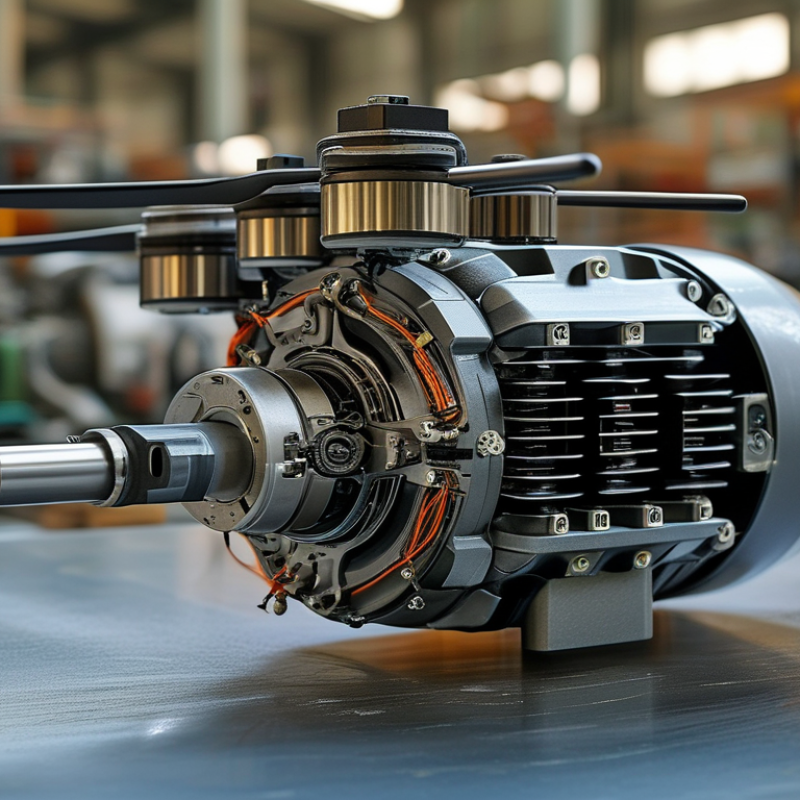
The emergence of new technologies in brushless DC motors is revolutionizing many industries. Innovations in control algorithms are enhancing performance. These advancements improve efficiency and reduce energy consumption significantly. New sensors integrated into motors provide real-time data, increasing reliability in various applications.
Moreover, the introduction of advanced materials is notable. Lighter and stronger materials are being used, leading to more compact designs. This can result in weight reduction in electric vehicles and drones. However, challenges remain. Manufacturing these new materials can be costly and complex. The supply chain might also face obstacles as demand increases.
In addition to these improvements, wireless communication technologies are making their way into motor designs. This facilitates remote monitoring and control. As a consequence, maintenance becomes easier and less frequent. Yet, this openness might raise concerns about cybersecurity. As new technologies flourish, manufacturers need to address potential vulnerabilities seriously. The balance between innovation and security will be crucial in shaping the future of brushless DC motors.
Brushless DC motors are becoming increasingly popular among global buyers in 2026. Their efficiency and reliability set them apart in various applications. One standout feature is their reduced maintenance needs. Traditional motors often require regular upkeep, while brushless motors avoid the wear that brushes endure. This raises their longevity and ensures lower operational costs.
Many buyers appreciate the precise control these motors offer. Brushless DC motors can be finely tuned for speed and torque, making them ideal for robotics, electric vehicles, and home appliances. Energy efficiency is another critical benefit. With the global push for sustainable energy, using these motors can significantly reduce electricity consumption.
When selecting a brushless DC motor, consider your specific needs. Look at factors like size, weight, and power requirements. You may not find a one-size-fits-all solution. Additionally, remember to account for potential challenges, such as heat dissipation and control system compatibility. Investing time in research and understanding your application can lead to better choices. Be prepared for a learning curve as you navigate these options, but the benefits could outweigh the efforts.
The brushless DC motor industry is currently influenced by several key market trends. One major trend is the increasing demand for energy efficiency. Buyers are seeking motors that consume less power while delivering optimal performance. This trend aligns with global sustainability goals, pushing manufacturers to innovate. Efficiency ratings and power density have become critical selling points in the market.
Another trend is the growth of automation across various sectors. Industries such as manufacturing and robotics require precise and reliable motor solutions. Brushless DC motors are favored for their performance in automated environments. This trend emphasizes the need for suppliers to provide customizable solutions that meet specific operational requirements.
However, challenges remain. The fast-paced technological advancements create a gap between innovation and real-world application. Buyers may find it difficult to keep up with the latest features. Additionally, supply chain disruptions can affect availability. Balancing cutting-edge designs with reliable supply will be crucial for future success in the market. Adapting to these volatile conditions is essential for buyers and manufacturers alike.
The demand for brushless DC motors is rising across various sectors. Many industries appreciate their efficiency and reliability. These motors are often found in applications such as electric vehicles and drones. Their absence of brushes leads to reduced maintenance and longer lifespans. This shift is influenced by the growth of green technology and automation.
In robotics, brushless DC motors drive precise movements. They enable smoother operation and accuracy, essential for tasks like assembly and packaging. Similarly, in HVAC systems, these motors improve energy efficiency. They provide variable airflow, which optimizes energy consumption. However, some users report challenges in integrating these motors with legacy systems.
The medical field shows a growing interest in these motors. They power devices like surgical tools, ensuring precision in delicate operations. The trend also extends to consumer electronics, where they support quieter and more efficient appliances. Nevertheless, as the market expands, staying informed about compatibility and potential pitfalls is crucial. Understanding the complexities behind these innovations is key for potential buyers.
| Application | Projected Growth Rate (2026) | Key Factors Driving Demand | Regional Demand |
|---|---|---|---|
| Automotive | 15% | Increasing demand for electric vehicles | North America, Europe |
| Consumer Electronics | 12% | Rising trend of smart devices | Asia-Pacific |
| Industrial Automation | 10% | Increased adoption of robotics | Europe, North America |
| Medical Devices | 8% | Growth in healthcare automation | Global |
| Aerospace | 9% | Focus on lightweight materials | North America, Europe |
The global market for brushless DC motors is evolving. While technological advancements create opportunities, challenges remain significant. A growing demand for energy-efficient solutions propels market growth. However, supply chain disruptions can hinder progress in production and delivery. Manufacturers must adapt quickly to these changes.
Economies of scale are crucial. As production increases, costs often decrease. This strategy attracts more buyers. Nevertheless, companies must invest in skilled labor and training. The shortage of qualified technicians can stall progress. It's essential to balance automation with human expertise for optimal outcomes.
Sustainability is another focal point. Environmental concerns push manufacturers to develop greener options. Advanced recycling methods and sustainable materials are gaining traction. Yet, some companies may need to reassess their practices regularly. Failing to innovate can lead to stagnation in a competitive landscape. Understanding these challenges is vital for future success.
: They offer increased efficiency, reliability, and reduced maintenance compared to traditional motors.
Innovations improve control algorithms, integrate sensors, and use advanced materials for better performance.
Yes, manufacturing new materials can be complex and costly, impacting supply chains as demand rises.
It enables remote monitoring and control, making maintenance easier but raises cybersecurity concerns.
It allows fine-tuning of speed and torque, beneficial for applications like robotics and electric vehicles.
Key factors include size, weight, power requirements, and compatibility with control systems.
Yes, they significantly reduce electricity consumption, supporting sustainable energy goals.
Research your specific needs and understand potential issues, as there may be a learning curve.
They require less upkeep due to no brushes, which typically endure wear in traditional motors.
Yes, this openness can create potential vulnerabilities, necessitating attention to cybersecurity.
The article titled "2026 Best Brushless DC Motor Trends for Global Buyers" highlights the significant advancements in brushless DC motor technology, focusing on emerging innovations that are shaping the market landscape. As global buyers look for efficient and reliable solutions, key features such as high efficiency, compact design, and reduced maintenance needs make brushless DC motors increasingly appealing.
Market trends indicate a growing demand across various applications, including automotive, robotics, and renewable energy systems, driven by the need for more sustainable and high-performance solutions. However, the industry faces challenges such as rising material costs and the need for continuous innovation. Despite these hurdles, the brushless DC motor market presents exciting opportunities for buyers looking to invest in cutting-edge technology that aligns with future operational needs.
